
Replace 6-8 supplements
with one bottle.
25 evidence-based ingredients. Made and tested in the USA.
Brain & nervous
system support.
B-vitamins contribute to normal psychological function and the normal functioning of the nervous system. Includes methylated B12, methylated folate, and choline.
61% less.
Same stack.
Buying these same evidence-based ingredients separately costs $149.49 a month. MicroVitamin delivers all of them for $58.50 on subscription.
Backed by research.
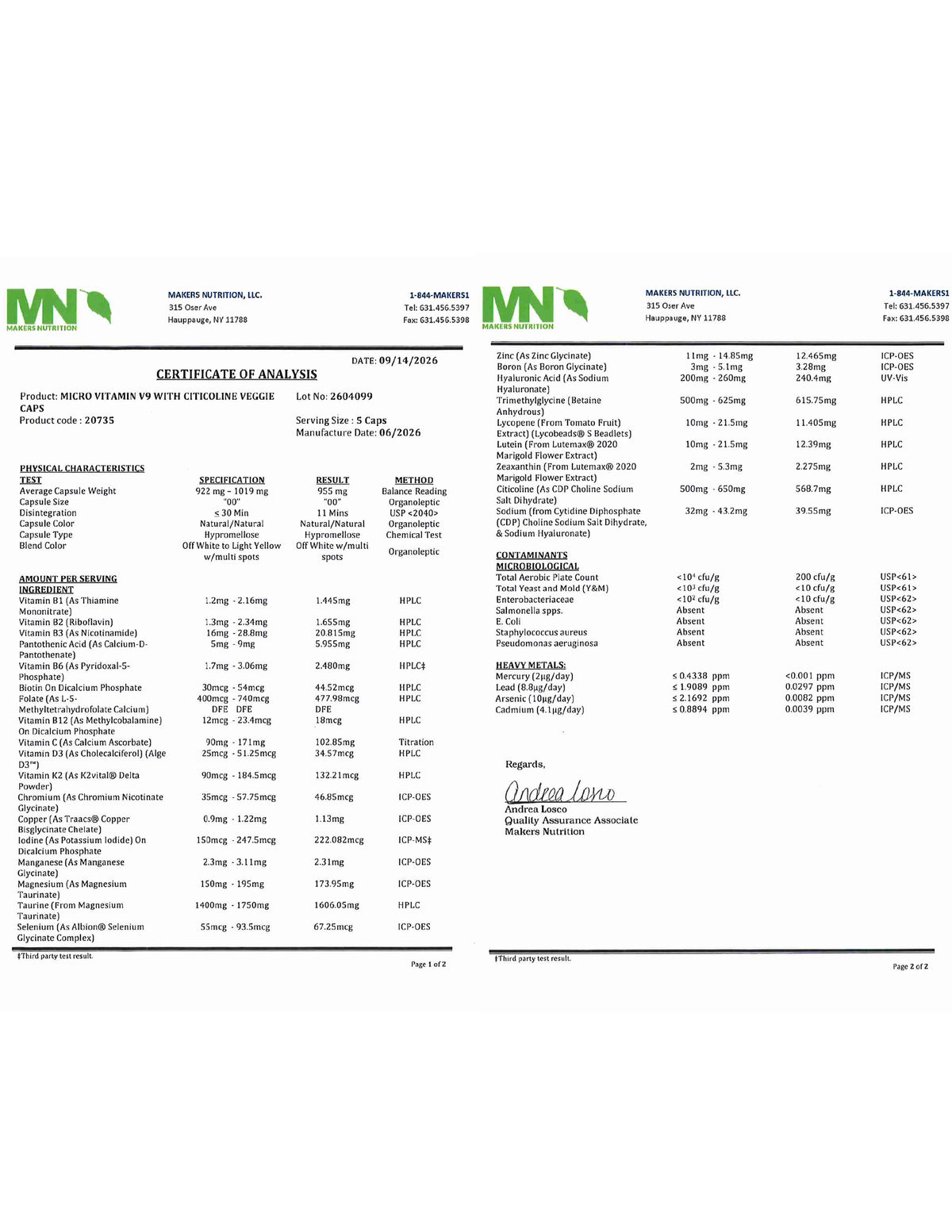
Every ingredient in MicroVitamin is supported by human clinical trials. Certificates of analysis published.Made and tested in the USA.


MicroVitamin
MicroVitamin
Brain Health: Methylated B-complex to support cognitive performance.1*
Eye Health: 10mg Lutein + 2mg Zeaxanthin (Lutemax® 2020) and 10mg Lycopene (LycoBeads®).2*
18% Smoother Skin: 200mg of Hyaluronic Acid for skin hydration.3*
Exercise Performance: 150mg Magnesium Taurate + 500mg TMG to support normal muscle function.4*
Third-Party Tested & Made in USA:
GMP-audited, FDA-registered, tested by Labdoor
.
Full 25-Ingredient List
Couldn't load pickup availability


Over 75% of US adults take dietary supplements (5), but most multivitamins have doses of 500–1000% of the RDA without a clinical reason.
That "more is better" approach has been associated with side effects and wasted spend (6).
Introducing MicroVitamin: A Doctor-Formulated Low-Dose Multivitamin & Mineral
MicroVitamin is different. Dr Brad has carefully crafted the formula based on randomized controlled trials — choosing the doses studied in those trials, the bioavailable forms (methylated B-vitamins, glycinate-chelated minerals), and the encapsulated branded ingredients (K2VITAL® DELTA, AlgeD3™, Lutemax® 2020, LycoBeads®) that stay potent through the bottle's shelf life.
-
A Balanced Diet Comes First
MicroVitamin is designed to complement a healthy diet, not replace it. Dr Brad emphasizes that obtaining nutrients from a variety of whole foods is important for good health. MicroVitamin aims to fill the gaps and support your nutritional needs when your diet falls short.
The MicroVitamin Difference
✓ Cognitive Support (COSMOS-aligned): In the COSMOS trial, older adults taking a daily multivitamin scored better on cognitive tests than those on placebo (1). MicroVitamin includes the COSMOS-aligned essentials, including: methylated B12 and folate (folate as 5-MTHF, its active form) and chelated trace minerals in glycinate form. It also includes 500mg of CDP-choline (citicoline).
✓ Eye Health & Antioxidant Defense: Lutein 10mg + Zeaxanthin 2mg (Lutemax® 2020) are the macular pigments that filter short-wavelength light in the retina. RCTs at this dose have shown significant increases in macular pigment optical density (2). MicroVitamin also contains Lycopene 10mg (LycoBeads®) — a tomato-derived carotenoid (7). All three are encapsulated to stay stable through shelf life.
✓ Supports muscle function: Includes 150mg (elemental) magnesium taurate, which contributes to normal muscle function, plus 500mg Trimethylglycine (TMG). (4)
✓ 18% Smoother Skin: 200mg of Hyaluronic Acid is a clinically-studied oral dose that supports skin hydration and elasticity from within. (3)
✓ Embrace Moderation: Doses are kept at evidence-based clinical levels — not megadosed — to avoid the risks of excessive supplementation (6). No Vitamin A, no Vitamin E.
-


See the Full 25-Ingredient List, Benefits & Evidence
| Ingredient Profile | Benefit |
|---|---|
|
Choline, B-Complex & Methylators
CDP-Choline (Citicoline) 500mg, Methylated B12 & Folate, Thiamine, Riboflavin, Niacin, B6, Biotin, Pantothenic Acid.
|
Cognition & Focus (COSMOS-aligned) Aligned with COSMOS trial findings to support cognitive function. Includes CDP-choline and methylated B vitamins, with folate as 5-MTHF, its active form.(1)* |
| Trimethylglycine (TMG) 500mg (Betaine Anhydrous) | Methylation Support Trimethylglycine (betaine) is a naturally occurring methyl donor, included at a measured 500mg dose.(4)* |
| Vitamin C Calcium Ascorbate 90mg | Antioxidant & Immune Support Provides antioxidant support to help combat free radicals and supports normal immune function.(8)* |
|
Bone Density Complex
Encapsulated Vitamin K2 as K2VITAL® DELTA (MK-7 90mcg), Encapsulated Vitamin D3 as AlgeD3™ (1,000IU), Boron Glycinate (3mg).
|
Skeletal Strength Encapsulated D3 and K2 with boron, which support bone strength and healthy calcium use.(9)* |
| Magnesium Taurate 150mg (elemental) | Muscle & Relaxation Magnesium with taurine — both well-absorbed forms — supporting normal muscle function and relaxation.(10)* |
|
Essential Trace Minerals
Zinc Glycinate, Selenium Glycinate, Copper, Manganese, Chromium, Iodine.
|
Glycinate Chelation Zinc is a glycinate chelate. In a small single-dose study of 12 healthy women, zinc bisglycinate was absorbed about 43% better than zinc gluconate.(11)* |
| Hyaluronic Acid 200mg | Hydrated Skin A clinically studied oral dose that supports skin moisture and elasticity from within.(3)* |
|
Eye Carotenoids
Lutein 10mg + Zeaxanthin 2mg (from Lutemax® 2020).
|
Macular Pigment Density RCTs at this dose have shown significant increases in macular pigment optical density — the carotenoid layer that filters short-wavelength light in the retina. Encapsulated for stability against light and oxidation.(2)* |
| Lycopene 10mg (encapsulated, LycoBeads®) | Antioxidant A carotenoid found in tomatoes, included for antioxidant support. Encapsulated for stability against light and oxidation.(7)* |
| No Vitamin A or E Excluded | Only What You Need Intentionally excluded based on research suggesting potential risks associated with high-dose supplementation.(6)* |
Why Encapsulation Matters
Five of the most fragile ingredients in MicroVitamin — Vitamin D3 (AlgeD3™), Vitamin K2 (K2VITAL® DELTA), Lutein, Zeaxanthin, and Lycopene — are delivered in encapsulated, microbeadlet forms.
Why? Fat-soluble vitamins and carotenoids degrade quickly when exposed to light, heat, oxygen, or moisture. In standard multivitamins, that means the dose on the label can be very different from what's left in the bottle by month two. Encapsulation creates a protective shell around each particle — so the doses on the MicroVitamin label are still there at the bottle's expiry date.
Quality Assurance
We’ve partnered with a USA supplement manufacturer called ‘Makers Nutrition’ to produce MicroVitamin. Their facilities are GMP audited and FDA registered, so you can be assured that MicroVitamin is meticulously produced and thoroughly tested for quality.
Below are the stamps of approval that Makers Nutrition qualify for:


Combined Nutrients for Unbeatable Value
MicroVitamin offers a streamlined approach to daily nutrition, combining essential vitamins and minerals into one convenient package.
Purchasing these nutrients separately would cost you roughly $149.49 per month, but MicroVitamin brings them all together for only $58.50 per month on a 3-month subscription.
Not only does MicroVitamin save you $90.99 per month, but it also eliminates the hassle of managing multiple supplements, ensuring you receive the right balance of nutrients to support your health without the extra cost.
| Individual Cost | MicroVitamin | |
|---|---|---|
| Lutein + Zeaxanthin as Lutemax® 2020 (Doctor's Best) | $7.50 | Included |
| Lycopene as LycoBeads® (SuperSmart) | $17.33 | Included |
| Trace Minerals Glycinate (Smarter Vitamins) | $16.67 | Included |
| Magnesium Taurate (Double Wood) | $11.40 | Included |
| Encapsulated Vitamin K2 as K2VITAL® DELTA MK-7 | $14.99 | Included |
| Encapsulated Vitamin D3 (Pure Encapsulations VESIsorb®) | $11.13 | Included |
| TMG 500 (Life Extension) | $9.75 | Included |
| Hyaluronic Acid (NOW Supplements) | $16.60 | Included |
| Methylated B-Complex (Pure Encapsulations) | $13.25 | Included |
| Citicoline (Pure Encapsulations) | $29.00 | Included |
| Boron (Nutricost) | $1.87 | Included |
| No Vitamin A or E | ||
| Total Cost | $149.49 | $58.50 |
Frequently Asked Questions
Is MicroVitamin vegan/vegetarian?
Yes, MicroVitamin capsules are vegan-friendly. The capsule shell is plant-based (no gelatin), and none of the ingredients are animal-derived.
Why is there a smell?
The smell is a normal characteristic of the active ingredients themselves, not a sign that anything is wrong. In previous versions, we used choline bitartrate, which can cause a smell. This was fixed in version 9, which uses CDP-choline instead. Any smell from an older bottle doesn't mean it has degraded or lost potency.
How Should I Store The Pills?
Please keep your MicroVitamin pills in their original bottle. The Choline, TMG, and Hyaluronic Acid in the formula are hygroscopic, meaning they attract moisture. Keeping the pills in their airtight container helps prevent them from swelling.
What's Improved in MicroVitamin Formula Version 9?
There are some big upgrades in MicroVitamin formula version 9.
The headline change is CDP-choline. Version 9 replaces choline bitartrate with 500 mg of CDP-choline, also called citicoline.
Here's why. Your brain cells are wrapped in membranes built largely from a fat called phosphatidylcholine, and your brain also uses choline to make acetylcholine, a chemical messenger involved in memory and attention. CDP-choline is the molecule your own body makes on the way to building phosphatidylcholine.
When you swallow it, CDP-choline is broken down into choline and cytidine, and in people most of the cytidine is converted to uridine. Choline and uridine both cross into the brain, where they can be put back together into CDP-choline and used to build new membrane. So CDP-choline supplies both halves of that building process, not just the choline.
In a small brain-scan study of healthy older adults, six weeks of 500 mg a day raised markers of brain membrane turnover, though that stage had no placebo group (1). In a 12-week randomised trial of 100 adults aged 50 to 85 with mild memory complaints, 500 mg a day improved a combined memory score more than placebo (2). That trial's main memory test didn't differ, and the ingredient's maker funded it, so the evidence is promising rather than settled. Version 9 uses the form and the daily dose those studies tested.
Most vitamins are now at 100% of the Daily Value. Vitamin C has doubled from 45 mg to 90 mg, still as calcium ascorbate, a buffered, less acidic form. Folate has doubled from 200 mcg to 400 mcg DFE. Thiamin, riboflavin, vitamin B6, biotin and pantothenic acid have risen from 75% to 100% of the Daily Value.
The mineral profile has been rebalanced toward the RDA: iodine (now 150 mcg), selenium (55 mcg), manganese (2.3 mg) and chromium (35 mcg) have each doubled to 100% of the Daily Value, and copper (0.9 mg) and zinc (11 mg) stay at 100%. Magnesium has risen from 126 mg to 150 mg, and boron from 1 mg to 3 mg. Potassium has been removed.
Version 9 keeps the upgrades from version 8. The headline change in version 8 was the carotenoid stack. Lutein has been increased from 0.25 mg to 10 mg, lycopene from 0.3 mg to 10 mg, and zeaxanthin has been added at 2 mg. Lutein and zeaxanthin are now at the doses used in eye-health trials — and all three are delivered in encapsulated forms (Lutemax 2020 and LycoBeads) that help protect them from oxidising.
Dr Brad has also moved Vitamin D3 and Vitamin K2 to encapsulated forms — AlgeD3 and K2VITAL DELTA. Doses are unchanged, and the encapsulation helps protect these fat-soluble vitamins from light and moisture.
And of course there are no fillers or binders, and the vegetarian capsule is titanium dioxide free.
MicroVitamin is produced in the USA by an FDA-registered and GMP certified facility, so that you can be assured of its quality.
References: (1) Babb SM et al. Psychopharmacology 2002;161:248-54. https://pubmed.ncbi.nlm.nih.gov/12021827/ (2) Nakazaki E et al. J Nutr 2021;151:2153-60. https://pmc.ncbi.nlm.nih.gov/articles/PMC8349115/
For more information, see the full changelog.
Why do I see dark flecks?
That's completely normal and a sign the formula contains the ingredients we list on the label. MicroVitamin includes three natural carotenoids: lycopene (which gives tomatoes their deep red colour), lutein, and zeaxanthin (the orange-yellow pigments concentrated in leafy greens and egg yolks).
Why Does A Serving Of MicroVitamin Require Multiple Pills?
To deliver the full spectrum of nutrients in effective doses, multiple pills per serving are essential.
Take Magnesium Taurate, for example. It comprises only 8% elemental magnesium.
To achieve the 150mg of elemental magnesium we aim for in MicroVitamin, we need to include over 1500mg of Magnesium Taurate alone.
This scenario is just one of many that highlight the necessity of multiple pills to encompass all the beneficial ingredients in their optimal dosages.
Why Doesn't MicroVitamin Contain Vitamin A or E?
In designing MicroVitamin, Vitamin A and Vitamin E were intentionally left out, based on research suggesting potential risks from high-dose supplementation. Specifically, some studies indicate that supplements containing high doses of beta-carotene, vitamin E, or vitamin A may carry more risk than benefit — particularly for people who already get enough of these fat-soluble vitamins from a balanced diet. Learn more about the research behind this decision here.
Why doesn't MicroVitamin contain lithium orotate?
Lithium isn't an established nutrient: there is no recommended daily intake for it anywhere, and no recognised deficiency. The interest in low-dose lithium comes mainly from animal studies and from population studies of lithium in drinking water, which can't show cause and effect. The human trials so far have been small, most used prescription lithium at doses far higher than a supplement contains, and all of them enrolled people who already had memory problems. Lithium orotate itself hasn't yet been tested in a completed human trial. Lithium is also not permitted in supplements in the UK or EU, and is restricted in Australia and Canada, where MicroVitamin is sold. We'll keep watching the research.
Why doesn't MicroVitamin contain astaxanthin?
Astaxanthin is a red pigment from algae. Most human trials are small, short and funded by the companies that make it, and they mostly measure blood markers rather than outcomes you would notice. A widely shared 2024 study from the Interventions Testing Program, a US National Institute on Aging research program, suggested it could help male mice live longer, but a second Interventions Testing Program study in 2026 did not repeat that result. If larger independent trials show a clear benefit, we'll look at it again.
Why doesn't MicroVitamin contain cocoa flavanols?
Cocoa flavanols were tested in COSMOS, a large trial of more than 21,000 older adults (the same trial that tested a daily multivitamin). The cocoa extract did not significantly change the trial's main outcome. Some secondary results were encouraging, and we're watching the long-term follow-up closely. For now, adding it would bring a bitter taste, a small amount of caffeine and higher cost, without a clear benefit we could stand behind.
I have been using micro vitamin for a couple of years now and as a retired health care provider I appreciate the careful research and updating of the supplement.

Probably the best multivitamin / mineral on the market. Thoughtfully formulated based on scientific evidence at safe, effective doses. Also great that Dr. Brad is willing to make adjustments to the formula if necessary based on emerging new evidence and has had it independently tested for quality which is reassuring.
Personally I find it easy enough to swallow the 5 daily capsules in one go with a good gulp of water.
Fast reliable delivery too.
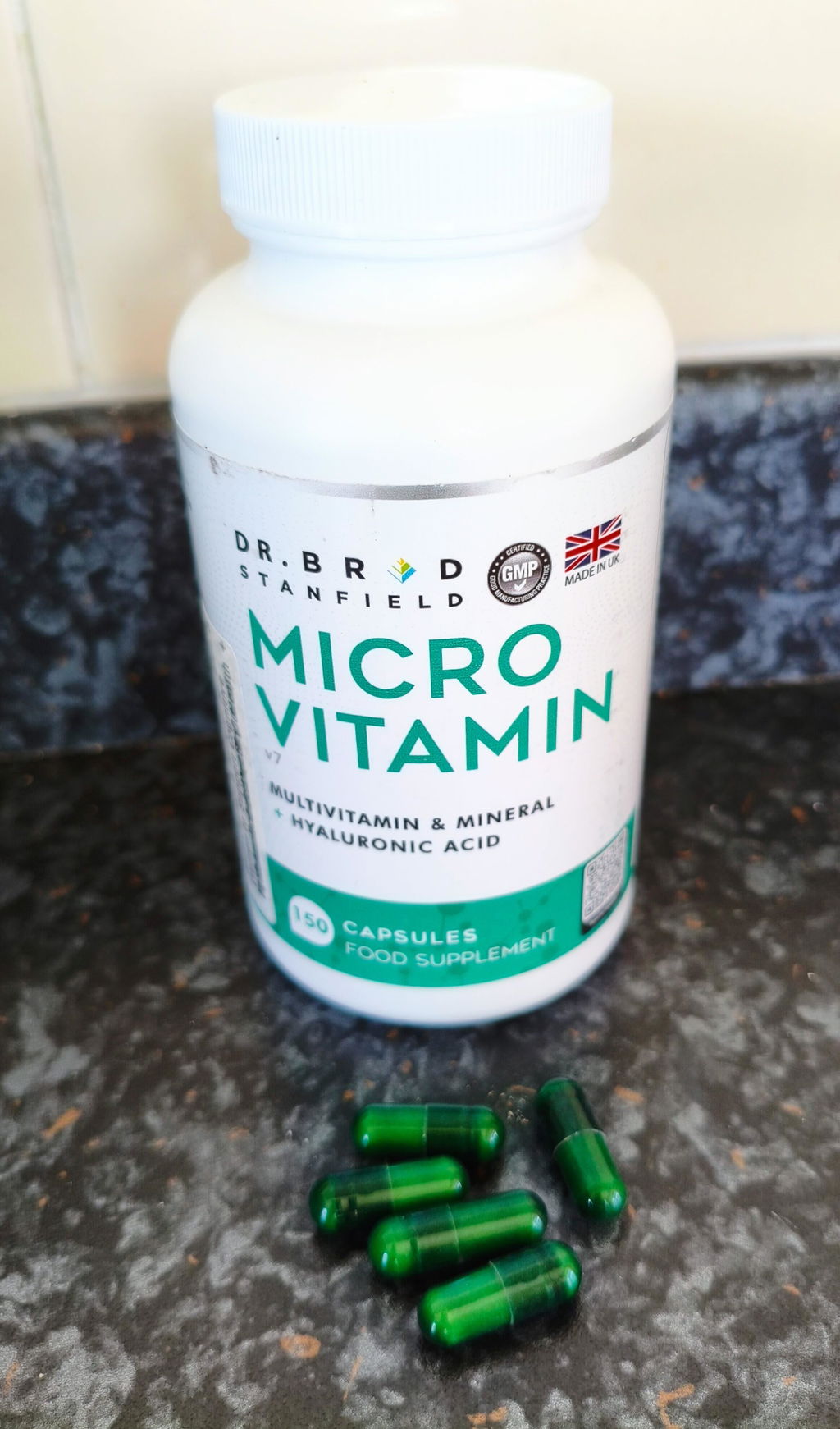
I began daily intake upon receipt. Your focus and attention to optimal dosages intrigued me and though I’m only now 2 weeks into a new regimen of supplemental nutritional interests combined with home cooked meals…no fast food, no carry out Chinese buffet (still a tough one but over a year now). I’m confident with your product.
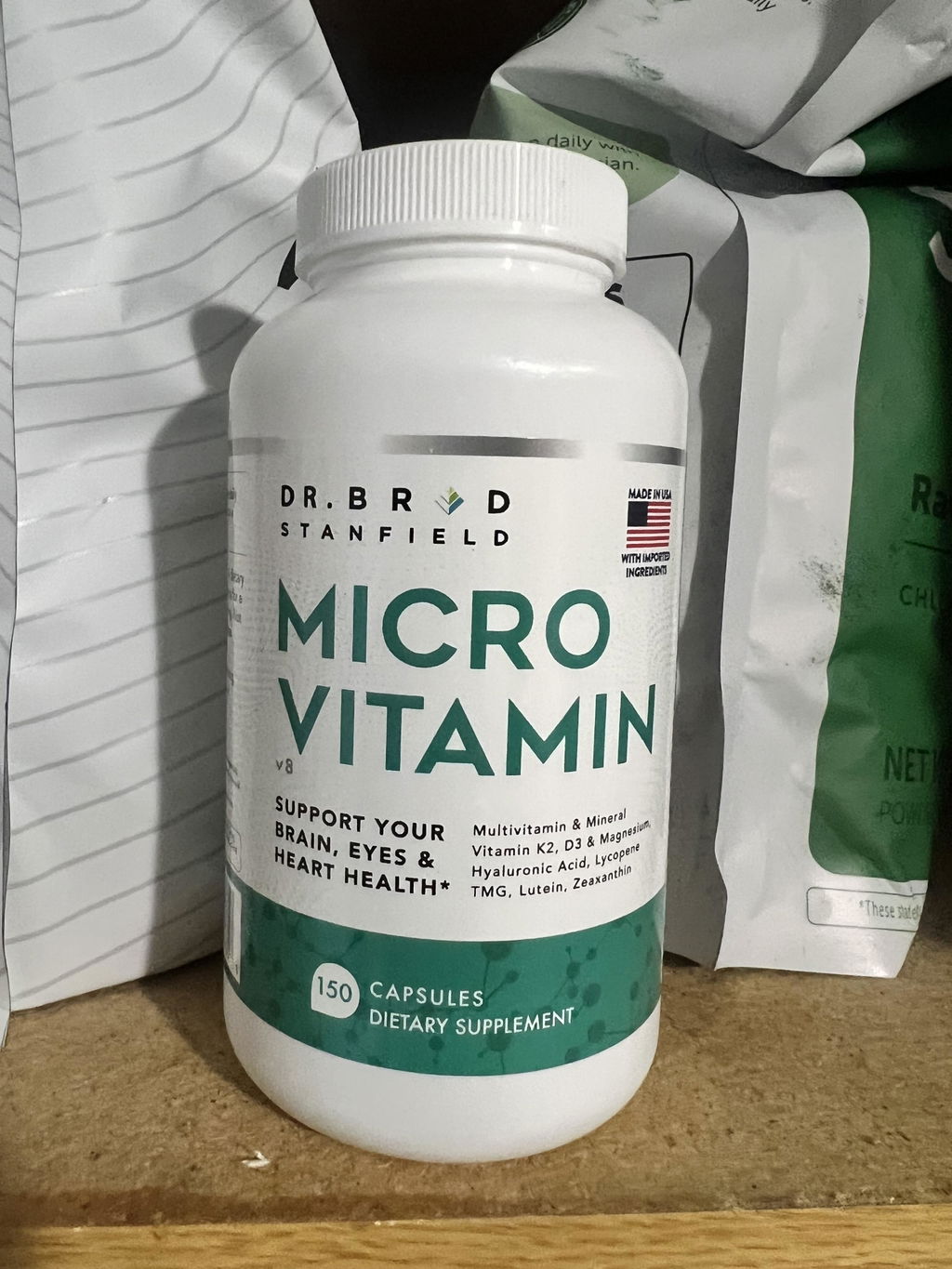
For years I looked for a vitamin and mineral product that was appropriately dosed — not one blasting me with mega-doses I don't need, or the wrong mineral combinations that block absorption. Figuring it out myself got complicated fast, and buying all the separate ingredients made the cost astronomical.
What I love about MicroVitamin is that it has the right amounts I was looking for — at not just competitive but genuinely excellent prices. Shipping is fast and easy, the capsules are easy to take, and I've had no negative side effects. I train hard — 10+ hours a week between bodybuilding and running — so having a simple, well-formulated daily base alongside a good diet is exactly what I wanted. I couldn't recommend it more highly: both MicroVitamin and Sleep.
I was first attracted after watching your YouTube channel and then pleasantly surprised by the composition of your microvitamin. Your product does not overload the dosages, except for vitamins in which major deficiencies are common, such as B12 and vitamin D. Just like you, and as someone holding a diploma as a nutrition advisor, I believe we should first obtain vitamins and micronutrients through a good diet, with your multivitamin then coming in to complement it and greatly reduce deficiencies. Since I started taking your multivitamin, I have been feeling better, especially given my demanding night work as a professional firefighter paramedic. Many thanks for your product, Dr. Stanfield.
Hanselin Laurent.

I really like these multivitamins. The quality seems really good and I feel better taking them consistently.
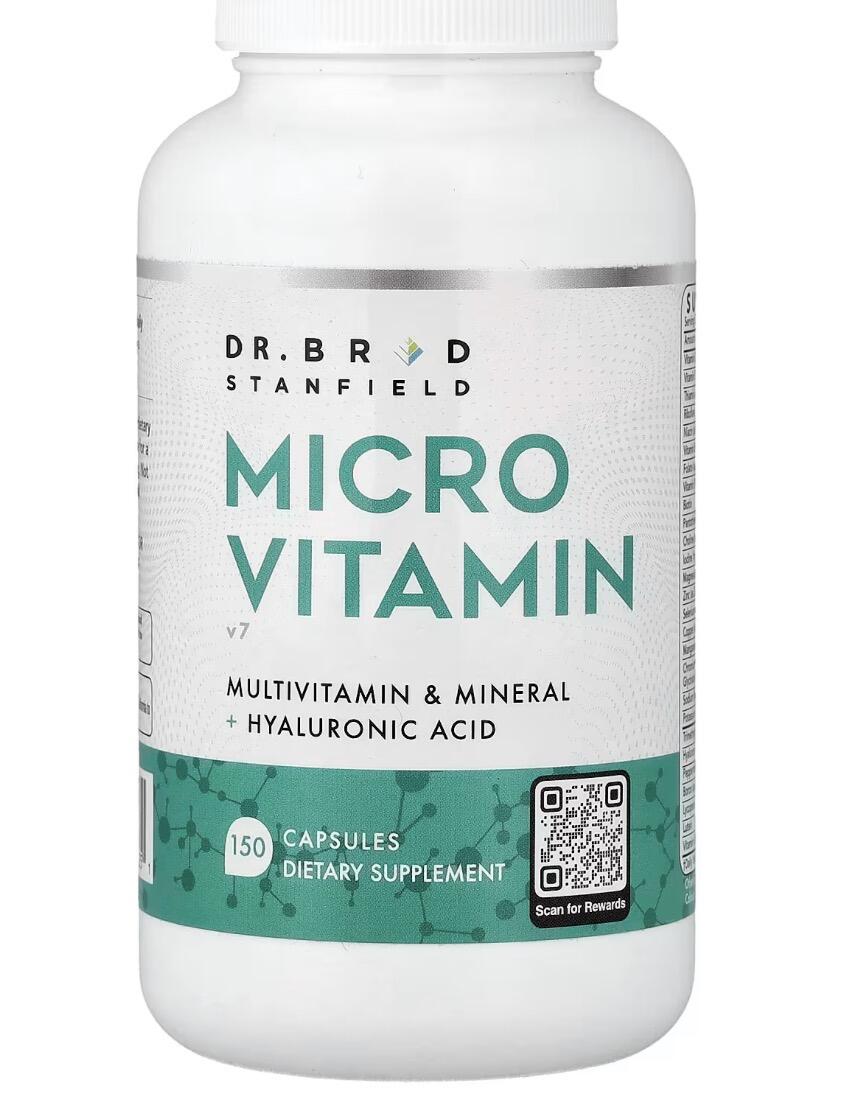
I shied away from multivitamins in the past due to high doses of non-water soluble vitamins and minerals and the fact that I ate well. On top of that I knew the best bioavailable sources would most likely not condense into a single small pill, so when I discovered Dr. Brad Stanfield's 5-pill vitamin supplement with evidence-based compounds and dosages I was elated. It only took 40+ years to find an appropriate product on the open market. It figures it would take a Family Medicine Practitioner to research and care enough to find a high quality daily use multivitamin like MicroVitamin. Thank you, Doctor Stanfield

Love the product - Excellent quality and the purpose and authenticity are unmatched.

As a University Professor, I appreciate the frequently updated research findings, which serve as the basis of the Microvitamin mixture. As an amateur athlete, I appreciate the addition of several proven supplements such as Betaine (Trimethylglycine), an Hyaluronic Acid. In addition, the concept of making the salt or chaelator of one vitamin serve as part of another funtional compound (such as Magnesium Taurate.

I don't have to try and combine several different supplements together anymore. I appreciate the clinical studies and science behind the ingredient choices

I was immediately impressed by the dosages and not overdosing myself like other multivitamins out there. I've been very happy with MicroVitamin since I started taking it

Really respect the scientific rigour that's been put into the design of MicroVitamin

I have been using Microvitamin for nearly 9 months now in addition to Dr. Stanfield's recommended intake of Psyllium Husk, Omega 3's and Creatine. It soon turned out to be a game changer for me when it comes to consistent energy levels and cognitive performance throughout my often challenging workdays. I am currently on a subscription of v.7 and will soon switch to MicroVitamin+ Powder as it includes both Psyllium Husk, Creatine and some additional promising ingredients.
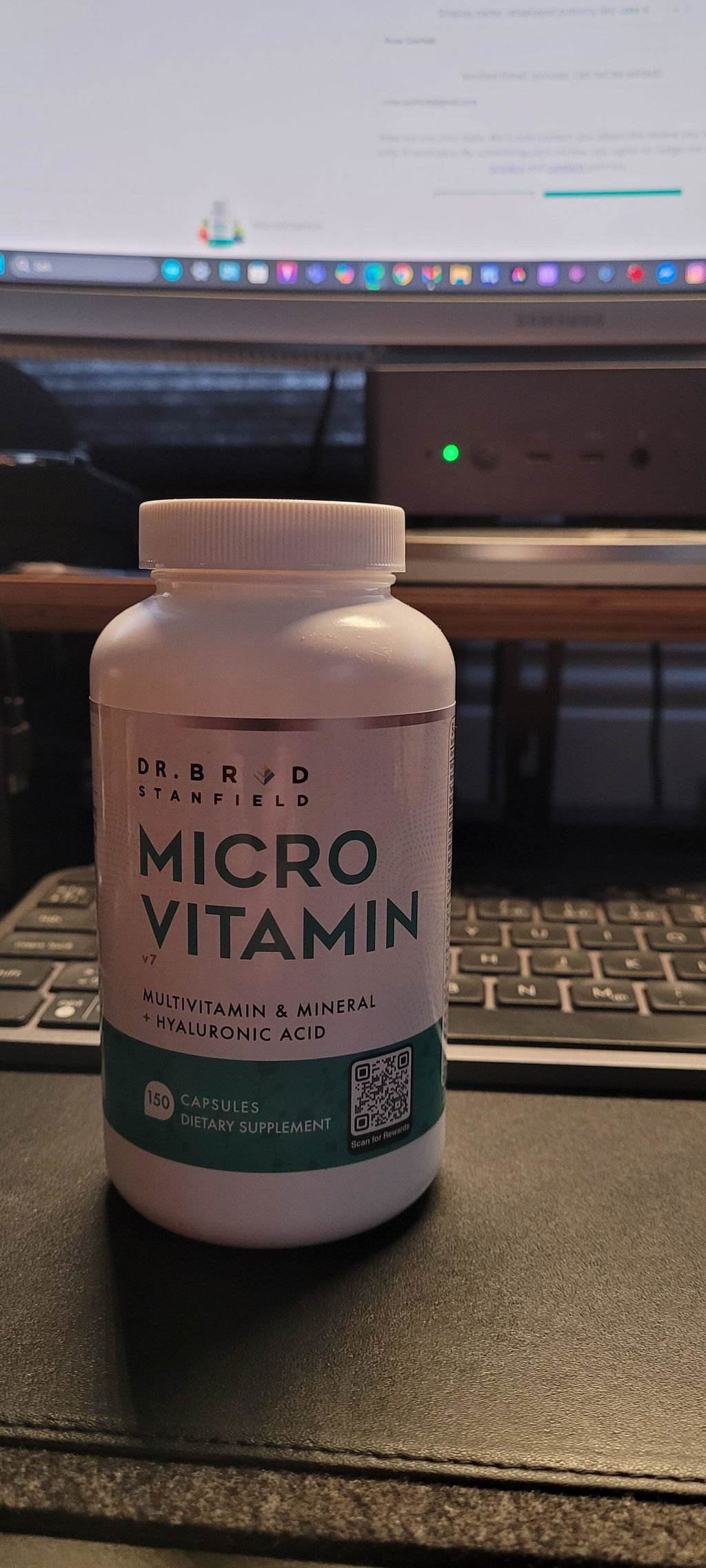
I like how this supplement is a supplement to a healthy diet, and doesn't overload the body with high doses of vitamins and minerals. Ingredients are well researched

Grateful to have a supplement that's well researched

I had been following Dr. Brad and taking his advice on YouTube for a couple of years before he released MicroVitamin. I decided at the time not to buy it because I still had big bottle of a men's once-daily multivitamin I had been taking, plus a new bottle of hyaluronic acid capsules, TMG powder for my shakes, and a vitamin D3 supplement.
I had been concerned a bit because every multivitamin I had seen, including the one I was taking, had both vitamins A and E, and I didn't want to be megadosing on those, as Dr. Brad explains those are both very common and easy to get from diet.
I finally decided to get MicroVitamin and now I get all that good stuff. I know people think that 5 capsules hardly seems "micro," but it in fact cut down on my pill burden by 3 pills daily.
PS - Same with Sleep. I had been making my own version and Sleep cut it down by 2 pills nightly, plus a lot of the magnesium glycinate supplements also tended to have valerian root, which I haven't really heard anything about.
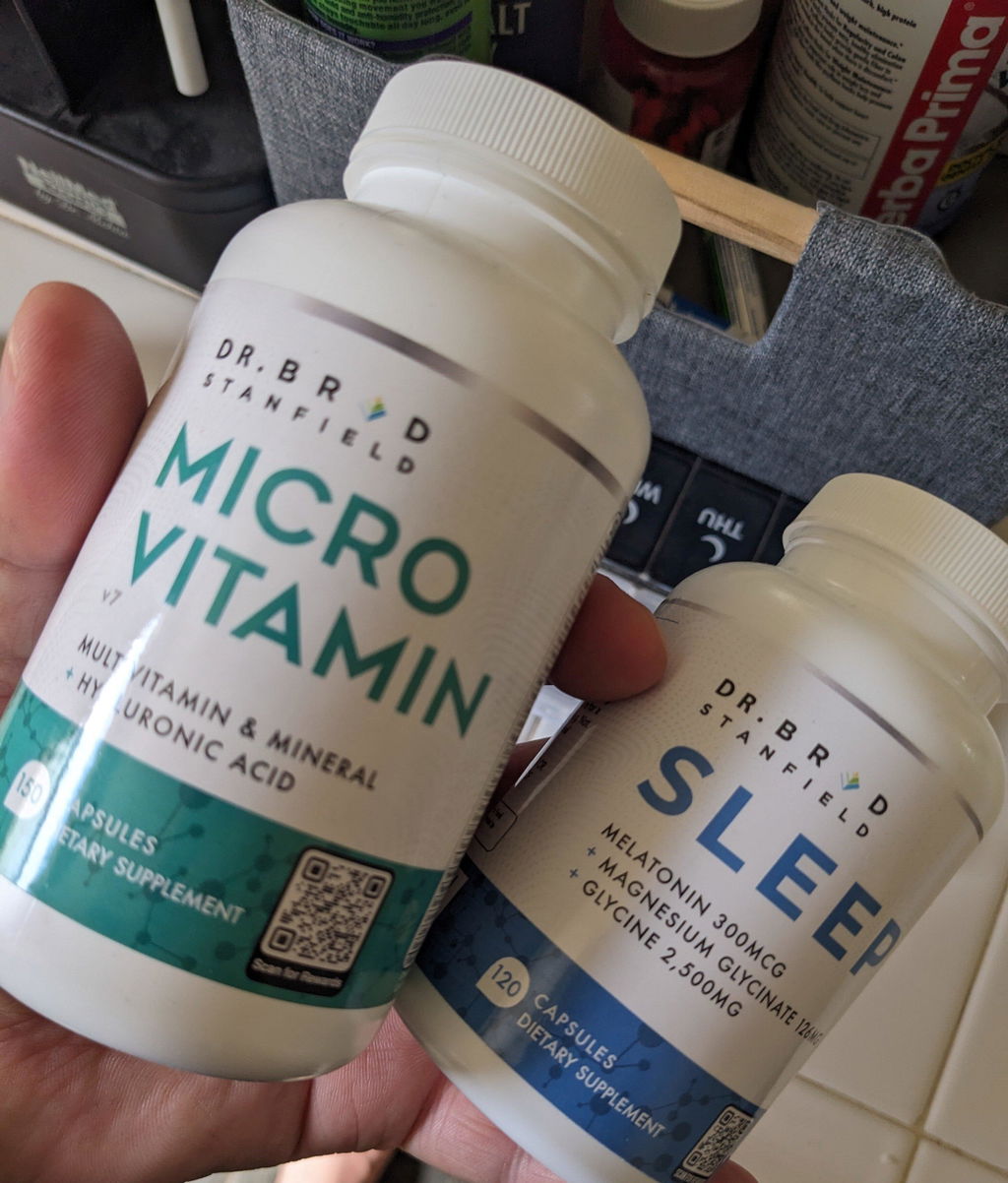
The MicroVitamin formula is constantly updated as new studies come in

After extensive research on optimal vitamin dosages and absorption forms, I found this product to be a game changer! It simplifies my routine, saving time and money by covering all the essentials in one supplement. Now I only take this and a fish oil.
I fully trust Dr. Stanfield's meticulous approach to MicroVitamin. The fact that it's already on Formula 7 in such a short time shows his dedication to staying current with the latest research and his responsiveness to feedback from an active online community.
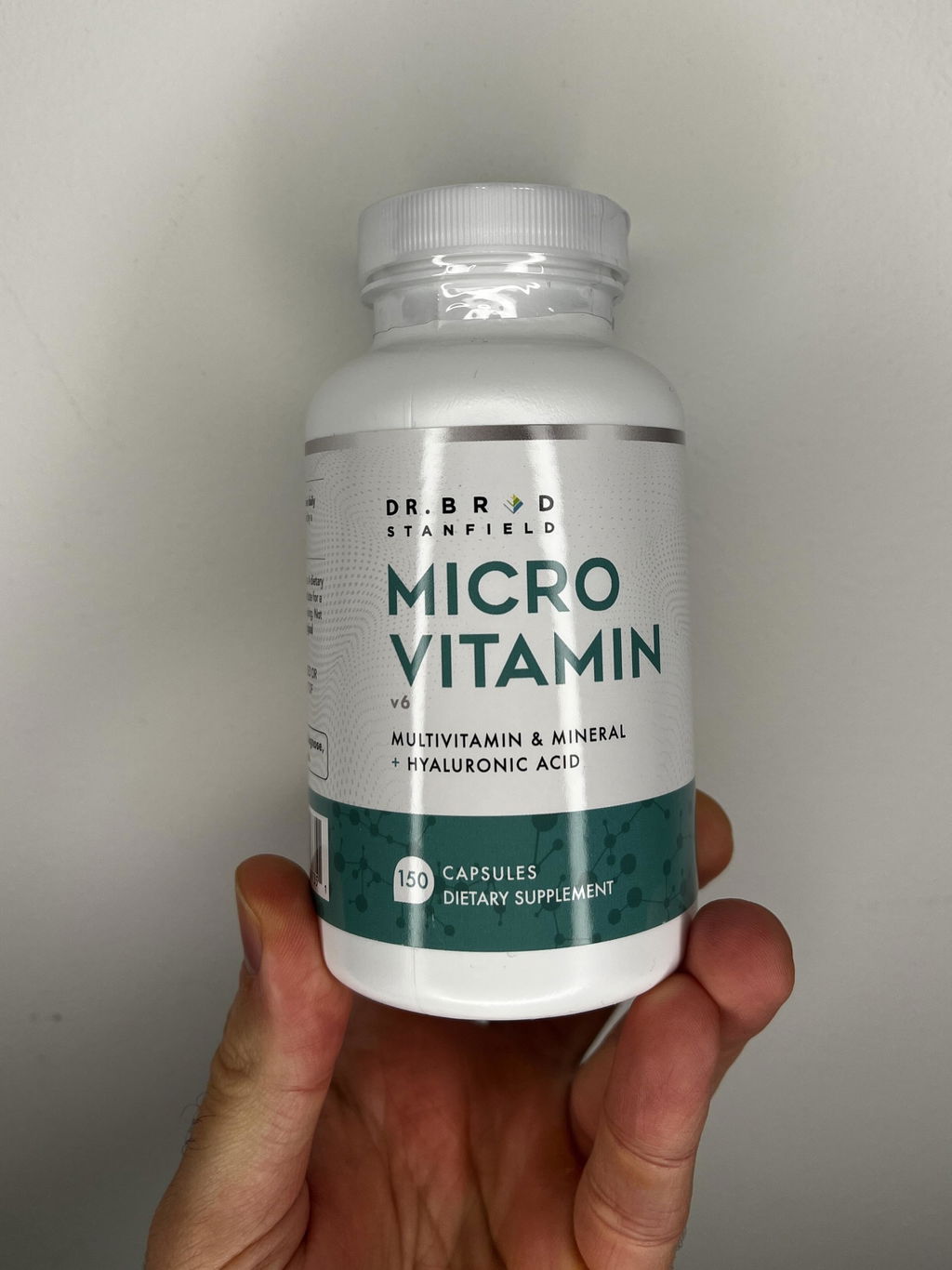
MicroVitamin combines many supplements that I was already taking into one product, making it much easier to manage. Plus, the formula is tweaked as new research comes in

In the minefield of health &well-being information and supplements it is reassuring to be taking a supplement that is evidence based, trustworthy and not overpriced.
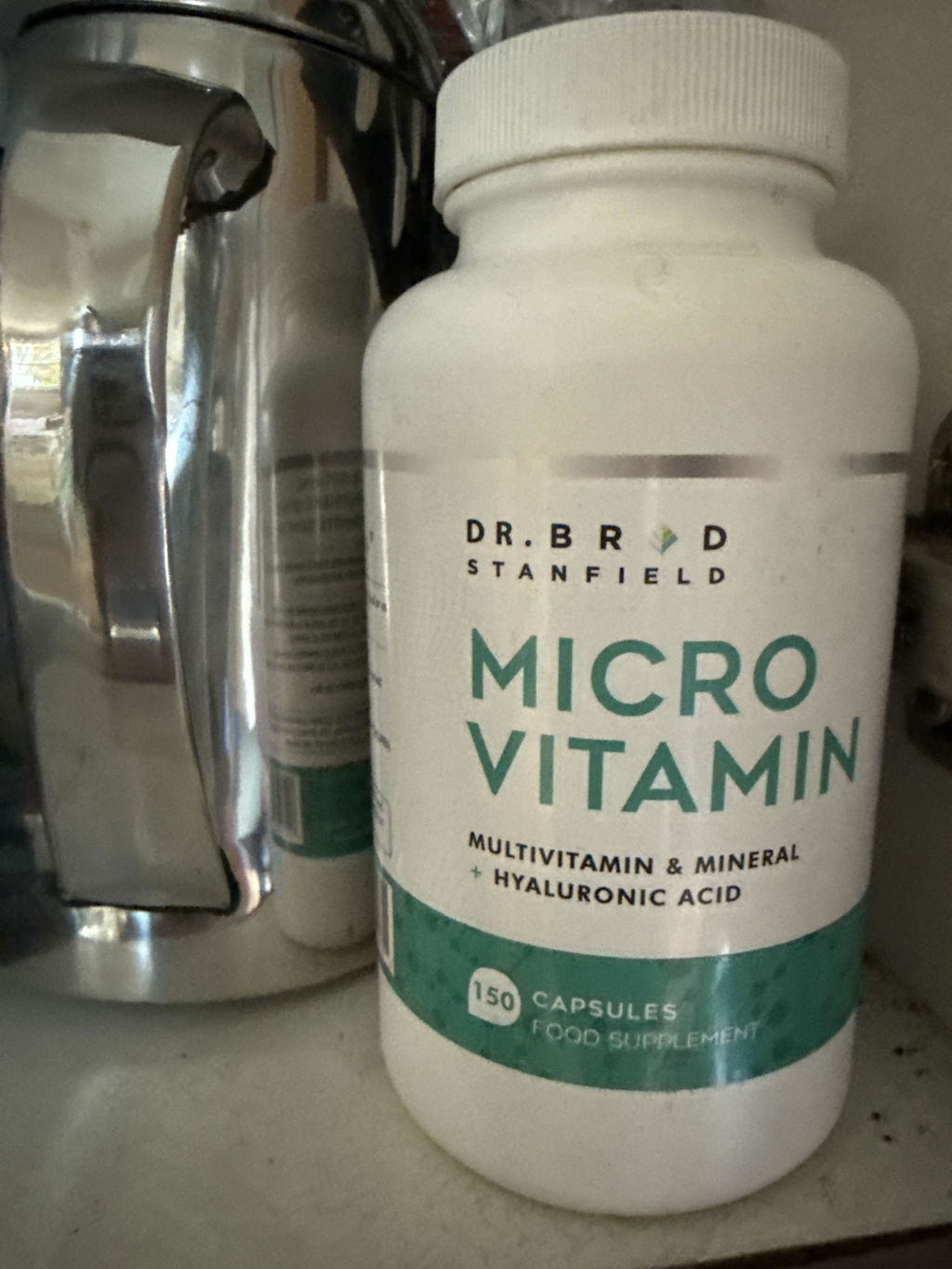
I like that MicroVitamin doesn't megadose the ingredients

Great product

Dr Stanfield,
I am 76 and eat a very clean diet more like Mediterranean minus grains and rice. I used to take various vitamins separately I am half way thru my first order and do notice a difference in my overall sense of wellness if that makes sense. I will subscribe to this product! ( I also watch all of your utube videos.
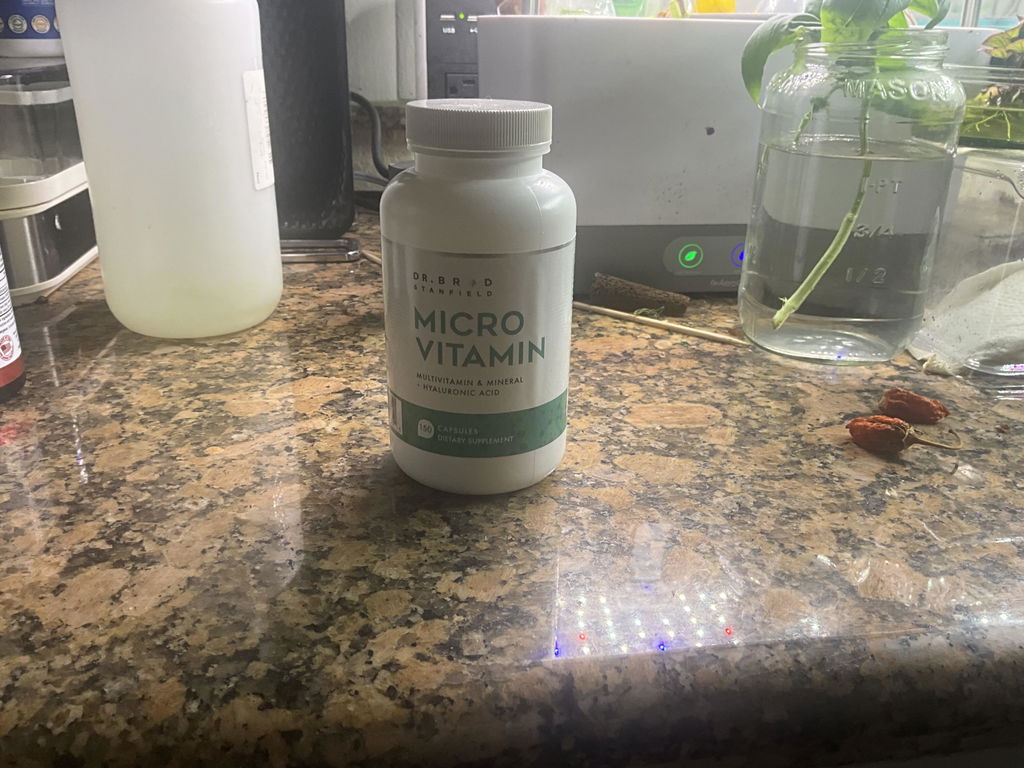
Dr. Brad uses proven substances in appropriate doses in his MultiVitamin Multi-supplement formula. Dr. Brad researches for the latest proven molecules and Substances that have been proven effective through extensive trials. Why gamble when you can use science-based information for your health?
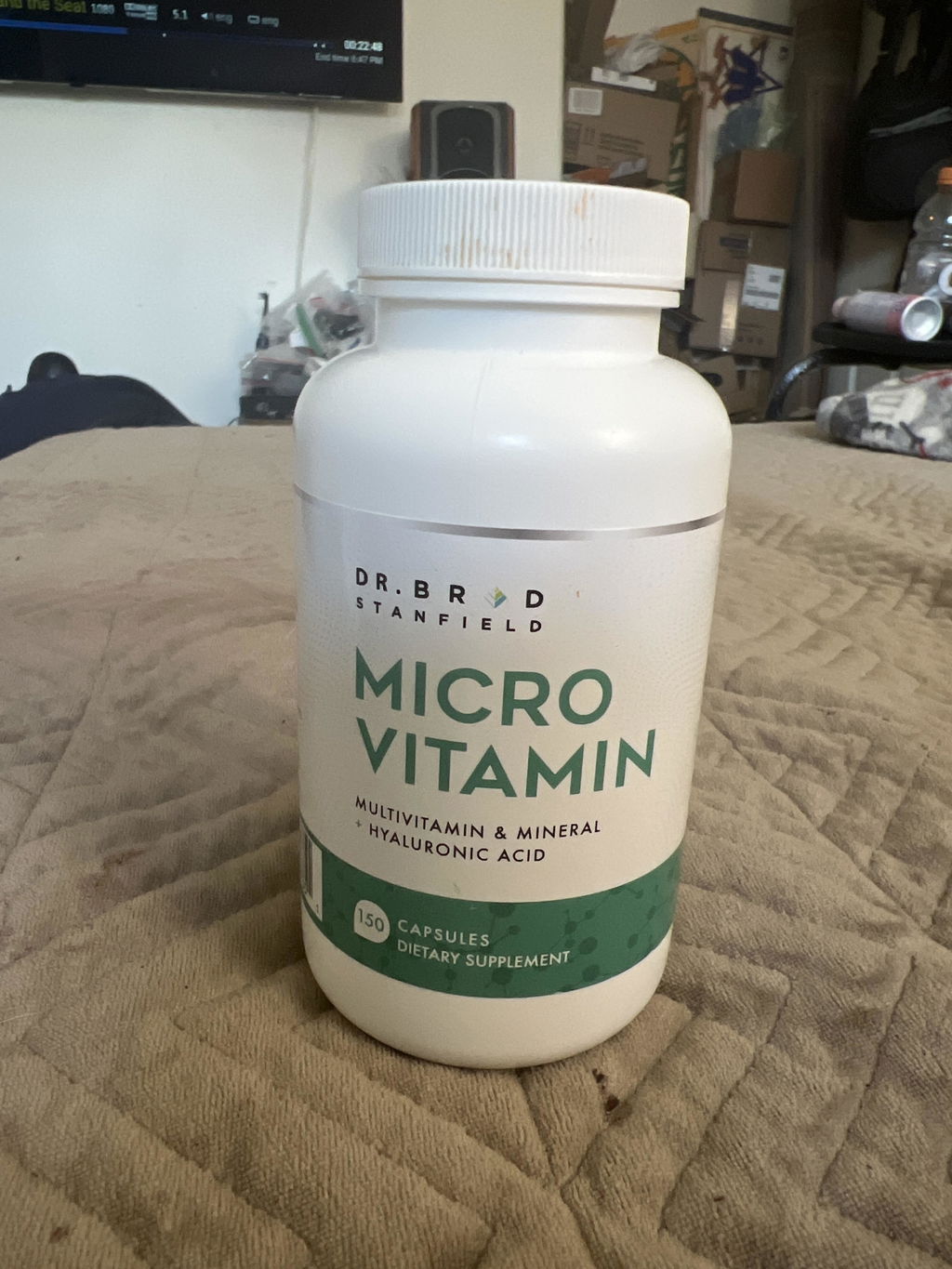
Limited Supply, Maximum Quality
MicroVitamin is a new supplement, and as we ramp up production while ensuring the highest quality possible, there’s a supply shortage.
To allow as many people as possible to use MicroVitamin, we’ve put a limit of twelve bottles per customer.
We appreciate your understanding as we strive to provide the highest quality product for you and your loved ones.
A note from Dr Brad Stanfield, Primary Care Physician
My primary goal is to support the well-being of my audience, and I genuinely believe that MicroVitamin can provide benefits to those who need it. I can’t emphasize enough however that a balanced diet comes first, and I strongly advise you to consult with your healthcare provider before starting any supplement. Disclosure: Dr Brad Stanfield founded and owns MicroVitamin and earns from sales
References:
(1) Baker, L. D., Manson, J. E., Rapp, S. R., Sesso, H. D., Gaussoin, S. A., Shumaker, S. A., & Espeland, M. A. (2023). Effects of cocoa extract and a multivitamin on cognitive function: A randomized clinical trial. Alzheimer's & Dementia, 19(4), 1308–1319. https://doi.org/10.1002/alz.12767
(2) Stringham, J. M., Stringham, N. T., & O'Brien, K. J. (2017). Macular Carotenoid Supplementation Improves Visual Performance, Sleep Quality, and Adverse Physical Symptoms in Those with High Screen Time Exposure. Foods, 6(7), 47. https://doi.org/10.3390/foods6070047
(3) Hsu, T. F., Su, Z. R., Hsieh, Y. H., Wang, M. F., Oe, M., Matsuoka, R., & Masuda, Y. (2021). Oral Hyaluronan Relieves Wrinkles and Improves Dry Skin: A 12-Week Double-Blinded, Placebo-Controlled Study. Nutrients, 13(7), 2220. https://doi.org/10.3390/nu13072220
(4) National Institutes of Health (NIH). Dietary Supplements for Exercise and Athletic Performance: Fact Sheet for Health Professionals. https://ods.od.nih.gov/factsheets/ExerciseAndAthleticPerformance-HealthProfessional/#betaine
(5) Council for Responsible Nutrition. (2022). 2022 CRN Consumer Survey on Dietary Supplements. https://www.crnusa.org/newsroom/crn-reveals-survey-data-2022-consumer-survey-dietary-supplements
(6) Hamishehkar, H., Ranjdoost, F., Asgharian, P., Mahmoodpoor, A., & Sanaie, S. (2016). Vitamins, Are They Safe?. Advanced Pharmaceutical Bulletin, 6(4), 467–477. https://doi.org/10.15171/apb.2016.061
(7) Chen, J., Song, Y., & Zhang, L. (2013). Effect of lycopene supplementation on oxidative stress: an exploratory systematic review and meta-analysis of randomized controlled trials. Journal of Medicinal Food, 16(5), 361–374. https://doi.org/10.1089/jmf.2012.2682
(8) National Institutes of Health (NIH). Vitamin C: Fact Sheet for Health Professionals. https://ods.od.nih.gov/factsheets/VitaminC-HealthProfessional/
(9) Zhang, Y., Liu, Z., Duan, L., et al. (2020). Effect of Low-Dose Vitamin K2 Supplementation on Bone Mineral Density in Middle-Aged and Elderly Chinese: A Randomized Controlled Study. Calcified Tissue International, 106, 476–485. https://doi.org/10.1007/s00223-020-00669-4
(10) National Institutes of Health (NIH). Magnesium: Fact Sheet for Health Professionals. https://ods.od.nih.gov/factsheets/Magnesium-HealthProfessional/
(11) Gandia, P., Bour, D., Maurette, J. M., et al. (2007). A bioavailability study comparing two oral formulations containing zinc (Zn bis-glycinate vs. Zn gluconate) after a single administration to twelve healthy female volunteers. International Journal for Vitamin and Nutrition Research, 77(4), 243–248. https://doi.org/10.1024/0300-9831.77.4.243
Questions/Comments?
If you would like any further information about MicroVitamin, please contact us using the form below
