There's a popular ingredient in energy drinks that's recently been gaining serious attention for its potential to support healthy aging and key health parameters.
Does the research support the hype? This article dives into recent studies to see whether taurine truly lives up to its promising claims — and why some researchers have started calling it "the youth molecule."
Table of Contents
1. The Lifespan Result in Mice
2. What is Taurine and Why Does It Matter?
7. Takeaway
The Lifespan Result in Mice
The ingredient is taurine. The study that first captured widespread scientific attention was published in the prestigious journal Science. Researchers were interested in how taurine supplementation might affect lifespan, and they started by examining how worms responded to additional taurine. Here's what they found: the lifespan of worms treated with taurine increased by 10 to 23% [1].
Worms are a long way from humans — but the researchers also tested taurine's effects on mice, which are biologically much closer to us. In this case, the results were equally impressive: overall lifespans increased 10 to 12%, and life expectancy at 28 months went up by 18 to 25% [2].

The impact of these findings is striking. It's easy to see why people are excited. But even though mice are much closer to humans than worms, they are still an entirely different species. Should we expect similar results in humans?
There is at least one compelling parallel. In this study, researchers found something interesting about taurine levels: they drop rapidly with age. This pattern was observed in mice, monkeys, and humans alike [3]. The consistency across species is notable — it suggests the age-related decline in taurine is a biological phenomenon rather than a species-specific quirk.

What is Taurine and Why Does It Matter?
In experiments with mice, preventing this drop in taurine led directly to a longer life. Understanding why taurine seems to help requires a closer look at what it actually does in the body — and what the current human evidence shows.

Taurine is an amino acid found naturally in the body, especially in the brain, heart, and muscles. It plays many roles, from energy metabolism to supporting nervous system function. Having too little can cause problems — it leads, for instance, to a condition called cardiomyopathy, which makes it hard for the heart to function properly [4].
For decades, taurine has been added to energy drinks. The history of how it got there is interesting. Taurine was first isolated in 1827 from ox bile — which is how it got the name "taurine," derived from the Latin word for bull. Scientists noticed it was abundant in muscles, and early research suggested links to energy production. That made it a plausible candidate for drinks aimed at boosting performance.
Taurine first appeared in a Thai energy drink called Krating Daeng (meaning "red bull") in 1976. An Austrian entrepreneur tried the drink on a business trip in the early 1980s, which led to the creation of the Red Bull brand that's now familiar worldwide. Its basic formula, combining caffeine and taurine, has been widely copied across the energy drink industry since.
The widespread popularity of energy drinks has meant the effects of taurine on exercise performance have been extensively studied. A substantial body of data suggests taurine genuinely helps exercise outcomes, at least in a modest way — more on that below.
More recently, interest in taurine has surged because of its potential link to aging and the mechanisms behind it.
Here's how the reasoning goes: the function of many body systems declines with age — in a sense, that's what aging means. Things are wearing down. And this decline happens alongside changes in the concentrations of various chemicals in the blood. As noted above, one of those changes is a steady decline in taurine levels.
This raises an important question: does the decline in taurine levels cause some of the negative changes associated with aging? Or is it simply a side effect of the aging process? Consider the analogy of gray hair — it accompanies getting older, but gray hair doesn't cause aging; it's just one of its symptoms. So is taurine decline a cause or a symptom of aging?
One way to find out: if boosting taurine levels delayed or reversed signs of aging, that would indicate a causal role. And that is precisely what the results of the mouse and worm studies showed — supplementing with taurine clearly boosted lifespan and improved multiple markers of biological function.
The 2023 Science Study
Will this translate to humans? A closer look at what the study authors discovered provides some reason for optimism.
The researchers didn't just measure how much longer the mice lived. They also examined whether other markers of health improved with taurine supplementation. After all, absent specific diseases, living longer is largely a result of our body systems wearing out more slowly. So what evidence did they find of this?

The researchers were thorough. They examined the effects of taurine supplementation on the health of the mice's bones, muscles, brains, weight, and more [5]. They found taurine treatment suppressed weight gain, increased bone mass, increased muscle endurance and coordination, and reduced depression-like behaviour and anxiety [6][7][8][9].
The conclusion from this work: taurine supplementation improved the function of every organ investigated in middle-aged female and male mice [5]. That's a notably broad finding — not a single organ system or biomarker, but a pan-organismal effect.
But the primary drivers of aging happen at the cellular level. DNA gets damaged more easily and isn't repaired as well. The mitochondria — the power plants of cells — don't work as efficiently. There are fewer stem cells to replace damaged ones, and damaged cells begin to accumulate instead of being cleared away. These are well-established mechanisms underlying biological aging.
One of the most intriguing aspects of this study is that the researchers also examined these cellular-level effects. They found taurine helped guard against DNA damage, promoted mitochondrial health, and helped to keep cells younger. Taurine supplementation also led to a greater presence of stem cells [5].
These results are a crucial addition to the observed lifespan effects. They show that taurine has a positive impact on a number of cellular-level processes that are powerful drivers of aging — and these cellular dynamics closely mirror those found in humans. That's why they provide a rational basis for expecting similar effects in people, even though human lifespan data doesn't yet exist.
Human Evidence
Is there any human evidence to back up this hypothesis? It turns out there is — and it comes from a well-established cohort study.
The same research group that conducted the mouse experiments looked at a large human population in England. They drew on data from the EPIC-Norfolk cohort study, which had an initial population of 30,000 adults followed over 30 years [10].

They found that higher levels of taurine in the blood were associated with a lower BMI and a lower incidence of type 2 diabetes. Higher taurine levels were also associated with lower levels of inflammation [11]. The authors are careful to note that association does not establish causation — but these results are consistent with the hypothesis that taurine deficiency may contribute to aging-related metabolic decline.
The researchers also collected one further piece of evidence. It is well established that exercise improves several age-related health variables — and given the hypothesis about taurine's role in aging, they asked whether raising taurine levels might be part of what makes exercise so powerful. They measured taurine levels before and after exercise and found that taurine levels did indeed rise significantly in response to physical activity [12].

This finding adds another layer to the picture. It suggests that one of the mechanisms by which exercise improves health outcomes may operate, at least in part, through elevating taurine levels — which in turn act on the cellular and systemic processes that taurine is known to support.
Taken together, the taurine and aging evidence shows some intriguing early signals — but better human studies are needed before definitive conclusions can be drawn. Randomised controlled trials of sufficient length to track meaningful outcomes across time would be the ideal next step. Until those are completed, it's appropriate to approach the broader aging claims with measured caution.
Emerging Areas
Aging isn't the only area where taurine is attracting scientific attention. There are also early indicators of a potential impact on brain health and cognitive function.

For instance, researchers examined the association between blood taurine levels and the incidence of Alzheimer's disease and dementia. Drawing on data from the Framingham study — a long-running US cohort study — they found that higher levels of taurine in the blood were associated with a 26% lower risk of dementia [13].
There have also been a few small clinical trials exploring taurine's effects on cognitive markers. So far, results have been mixed, and this remains an active area of research. The epidemiological signal is interesting enough to warrant further controlled investigation, but it's too early to draw firm conclusions.
Other Benefits
Beyond the aging and brain-health questions, taurine has a more established track record in areas related to exercise performance and metabolic health — and the evidence here is considerably stronger.

On the exercise side: a 2021 meta-analysis combined 10 randomised controlled trials and concluded that taurine supplements could increase fat metabolism and decrease DNA damage during aerobic exercise [14]. During strength exercise, taurine has been found to reduce exercise-induced oxidative stress — another mechanism by which it may support recovery and long-term training adaptations.
The evidence relating to metabolic syndrome is particularly detailed. Metabolic syndrome is a cluster of conditions — including elevated blood sugar, blood pressure, cholesterol abnormalities, and excess abdominal fat — that significantly increases the risk of cardiovascular disease, stroke, type 2 diabetes, and chronic inflammation [15].
Despite numerous clinical studies exploring taurine's effects on these parameters, inconsistencies in the literature made it difficult to draw firm conclusions. A 2024 systematic review and meta-analysis was conducted specifically to clarify taurine's effectiveness in this area [16]. The analysis included 25 randomised clinical trials involving over 1,000 participants, and examined parameters directly linked to metabolic syndrome — including cholesterol, blood pressure, and insulin sensitivity.
The findings were consistent across outcomes: taurine decreased fasting blood sugar levels, blood pressure, triglycerides, LDL cholesterol, HbA1c, and insulin levels [17]. Body weight was not significantly affected. Doses used in the included studies varied between 1 and 6 g per day, and the analysis found taurine to be safe at these doses [18].
Important limitations: of the 25 studies, 18 lacked sufficient methodological detail to fully assess bias risk, while the remaining 7 had a low risk of bias — and none had a high risk [19]. The short duration of most included studies — the majority lasting no more than 2 months, with only a few extending to a year — means longer-term data would strengthen confidence in these findings.
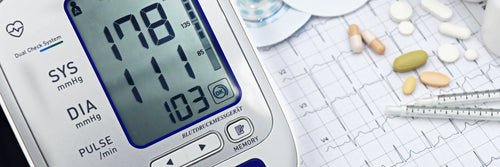
Additional data on cardiovascular function: one study of 120 individuals with high blood pressure demonstrated that taurine supplementation lowered blood pressure by over 7 mmHg [20]. The researchers also identified the likely mechanism — improvements in the way blood vessels can respond to and regulate pressure [21]. This vascular effect may partly explain the blood pressure reductions seen across multiple studies.
As with many findings discussed in this article, additional research would strengthen the conclusions — particularly longer-duration randomised trials that track outcomes beyond 12 months.
From the MicroVitamin range
MicroVitamin capsules use magnesium taurate — a form of magnesium bonded with taurine — delivering both nutrients together in a single compound. MicroVitamin+ powder includes an additional 2 g of standalone taurine per serving alongside the full multivitamin formula and creatine. See MicroVitamin and MicroVitamin+.
Takeaway
The current evidence on taurine presents a consistent picture across multiple research areas — even if individual studies have limitations. From lifespan and cellular aging markers in animal models, to metabolic and cardiovascular outcomes in human clinical trials, the available data points in the same direction. That kind of cross-domain consistency is worth paying attention to in evidence-based nutrition.

Safety is also an important consideration when evaluating any supplement. Across the clinical trials reviewed, taurine supplementation at doses between 1 and 6 g per day has consistently been found to be safe, with no serious adverse effects reported. That's a meaningful safety profile for a naturally occurring amino acid that the body already produces and uses.
For those interested in supporting metabolic health specifically — blood sugar regulation, blood pressure, lipid profiles — taurine has relatively robust short-term data behind it, with consistent directional effects across an independent meta-analysis of 25 trials. The aging and lifespan story is more preliminary and awaits longer human trials, but the cellular mechanisms identified in the 2023 Science study give researchers a plausible biological rationale for the animal findings.
Longer-term randomised controlled trials will be important to firm up the conclusions — particularly on the aging and lifespan side — but the metabolic benefits are already supported by a meaningful body of controlled human data. It's a rare combination in supplement research: a wide variety of experimental results, from different methodological angles, all pointing in the same direction.
Reference List
- https://pmc.ncbi.nlm.nih.gov/articles/PMC10630957/
- https://pmc.ncbi.nlm.nih.gov/articles/PMC10630957/
- https://pmc.ncbi.nlm.nih.gov/articles/PMC10630957/
- https://www.sciencedirect.com/science/article/pii/S1347861323000749
- https://www.sciencedirect.com/science/article/pii/S1347861323000749
- https://www.sciencedirect.com/science/article/pii/S1347861323000749
- https://www.sciencedirect.com/science/article/pii/S1347861323000749
- https://www.sciencedirect.com/science/article/pii/S1347861323000749
- https://www.sciencedirect.com/science/article/pii/S1347861323000749
- https://www.epic-norfolk.org.uk/
- https://www.sciencedirect.com/science/article/pii/S1347861323000749
- https://www.sciencedirect.com/science/article/pii/S1347861323000749
- https://pmc.ncbi.nlm.nih.gov/articles/PMC5722716/
- https://pmc.ncbi.nlm.nih.gov/articles/PMC8419774/
- https://pmc.ncbi.nlm.nih.gov/articles/PMC11099170/
- https://pmc.ncbi.nlm.nih.gov/articles/PMC11099170/
- https://pmc.ncbi.nlm.nih.gov/articles/PMC11099170/
- https://pmc.ncbi.nlm.nih.gov/articles/PMC11099170/
- https://pmc.ncbi.nlm.nih.gov/articles/PMC11099170/
- https://pubmed.ncbi.nlm.nih.gov/26781281/
- https://pubmed.ncbi.nlm.nih.gov/26781281/