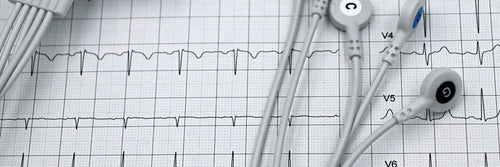
One of the leading causes of death worldwide is heart disease caused by plaque building up in the arteries, narrowing and eventually clogging those critical channels that allow blood to circulate and the body to function.
It is well-known that heart health is heavily affected by the foods we eat. Many foods, including those high in salt and saturated fats, can cause high cholesterol, high blood pressure, and the build-up of plaque in the arteries, leading eventually to heart attacks, and even death.
Diet plays a critical role in heart health, both in preventing disease and managing existing conditions. But can what we eat actually reverse the damage, such as clogged arteries? The short answer is no — there is no food or supplement that will "unclog" arteries. However, a heart-healthy diet, combined with addressing other risk factors, can significantly reduce the progression of plaque build-up and, in some cases, lead to a modest reduction.
Table of Contents
The Big Question: Can Diet Unclog Arteries?
First, it is essential to clarify that no single food or supplement will "unclog" arteries. Once plaque has formed, especially in advanced stages, invasive procedures like stents or bypass surgery may be necessary to restore blood flow. However, a heart-healthy diet can slow the progression of atherosclerosis, improve blood vessel function, and, in some cases, lead to a modest reduction in plaque buildup.
A comprehensive approach — focusing on lowering saturated fat, salt, and sugar, while increasing fiber, unsaturated fats, and lean proteins, especially from omega-3-rich sources — has shown benefits in improving cardiovascular risk factors. But it does not stop with diet alone.
The good news is that there is evidence a comprehensive plan can help reverse atherosclerosis. This is, however, not easy. It requires a very aggressive approach to addressing many of the causes of atherosclerosis simultaneously, including smoking, hypertension (high blood pressure), diabetes (uncontrolled blood sugar), and dyslipidemia (high cholesterol).

According to an article published in the American Journal of Medicine:
"Partial reversal of atherosclerosis has been demonstrated unequivocally with the use of intravascular ultrasound. Reversal requires control of all major cardiovascular risk factors. […] Aggressive lowering of low-density lipoprotein (LDL) cholesterol is paramount because the lower the LDL cholesterol, the better the outcome."
What Foods Might Help?
It is critical to acknowledge upfront that these foods are not curative. Simply eating a clove of garlic every day will not solve the problem. Addressing atherosclerosis is complex and requires significant changes in diet, exercise, and other habits such as quitting smoking.

While no foods "unclog" arteries, several dietary components are known to positively affect heart health by lowering cholesterol, reducing blood pressure, and improving blood sugar control — key drivers of atherosclerosis.
Fiber-Rich Foods
Dietary fiber is a critical element of a balanced diet and is essential for regulating appetite, providing food for healthy gut bacteria, regulating blood sugar, and more. Fiber is also well-established to help lower LDL cholesterol levels.

Fiber-rich foods include:
- Oats and whole grains.
- Legumes like chickpeas, lentils, and beans.
- Fresh fruits.
- Vegetables, especially leafy greens.
- Fiber supplements such as psyllium husk.
Psyllium husk in particular has been studied for its cardiovascular benefits beyond cholesterol lowering. Research published in PubMed Central examined psyllium seed husk supplementation in a rat model of ischemia/reperfusion and found it reduced myocardial damage — a finding that adds to the existing evidence on soluble fiber and cardiac protection.
From the MicroVitamin range
MicroVitamin+ Powder includes psyllium husk fiber (as Sunfiber® acacia) alongside its core nutrient blend, for those who prefer to combine their daily fiber with their supplement routine. MicroVitamin+ Powder.
Omega-3 Fatty Acids
Omega-3 fatty acids are found naturally in fatty fish like mackerel, sardines, and salmon, as well as in flaxseeds and chia seeds. They can also be obtained from fish oil supplements, though in general, obtaining nutrients from whole food sources is preferable when possible.

A large meta-analysis from the American Heart Association found a near-linear decrease in triglyceride and LDL cholesterol as doses of omega-3s increased, suggesting a significant beneficial effect from omega-3 fatty acids for heart health.
Unsaturated Fats
Decades ago, common wisdom was simply "fat is bad," but the truth is that the body needs a certain amount of dietary fat to function properly. Trans fats and saturated fats are proven to be detrimental, but unsaturated fats are much healthier and help maintain good cholesterol levels.

Replacing saturated fats — such as those from red meat and full-fat dairy — with unsaturated fats is a well-supported dietary strategy. Unsaturated fats are commonly found in plant sources like avocados, nuts, and seeds, as well as extra-virgin olive oil. A Presidential Advisory from the American Heart Association on dietary fats and cardiovascular disease confirms the benefit of replacing saturated fat with unsaturated fats for heart health outcomes.
Plant-Based Proteins
Protein makes up a significant portion of a balanced diet. Meat-based protein, however, is frequently found in sources like red meat, which is high in saturated fats.

A significant amount of healthy protein can instead be obtained from plant-based sources like chickpeas, lentils, and beans. This has the added benefit of providing substantial dietary fiber as well, making plant-based proteins a particularly effective dietary strategy for cardiovascular health.
Phytosterols
Phytosterols are plant-based molecules structurally similar to cholesterol, and several studies have found they can help lower cholesterol levels. The Cleveland Clinic notes that phytosterols (sterols and stanols) compete with cholesterol for absorption in the digestive system, which is the mechanism by which they may reduce LDL cholesterol.

Fortunately, phytosterols are easy to find; most fruits and vegetables contain some phytosterols, and foods such as mango, citrus, cauliflower, nuts, and legumes are all particularly high in phytosterols.
What Ingredients Should You Avoid?
Controlling diet is important both in terms of what to eat for cardiovascular benefit, and what to avoid to prevent further harm. Common guidance includes limiting excess sodium, saturated and trans fats, and added sugars. Beyond these broad categories, there are specific foods and ingredients worth considering carefully.
Saturated and Trans Fats. The distinction between types of dietary fat is critical. Avoiding foods high in saturated fats — such as red meats and butter — and avoiding foods high in trans fats like processed snack foods, will help reduce overall cholesterol and slow plaque build-up. Research published in Nature examined intake of foods rich in saturated fat in relation to subclinical atherosclerosis, finding associations between higher saturated fat intake and markers of atherosclerosis progression.

Red Meats. Similarly, red meats tend to be high in saturated fats, including the fattiest cuts such as hamburgers, pork chops, and roasts. Many dieticians recommend a Mediterranean diet as a good starting point for an aggressively heart-healthy eating pattern.
Excess Niacin. Also known as Vitamin B3, niacin is commonly added to fortified foods, especially cereals, and was long thought to help reduce cholesterol. This may still be true at moderate levels, but a study from the Cleveland Clinic discovered a strong link between the byproducts of niacin breakdown — called 4PY — and heart attacks and other adverse cardiovascular events. Higher levels of niacin appear to be directly damaging. The body does need some niacin to function properly, but supplementing additional niacin above the recommended daily intake may be inadvisable based on this emerging evidence.
Excess Salt and Sugar. Salt, found both as table salt and as various sodium-based preservatives, is present in a wide range of processed foods. It is impossible to avoid entirely, but reducing sodium intake helps lower the risk of high blood pressure.

Whole, unprocessed foods are best for reducing sodium. Similarly, while some sugar is both unavoidable and necessary, avoiding overly-sweetened foods and beverages — particularly processed foods — is important to avoid the risk of obesity and insulin resistance, both of which are independent cardiovascular risk factors.
Other Risk Factors: It's Not Just About Diet
It is important to remember that diet is just one part of the equation. Addressing other risk factors is equally critical to improving heart health. The National Heart, Lung, and Blood Institute outlines that a heart-healthy lifestyle involves multiple simultaneous changes, not diet alone.

- Quit smoking. This also includes vaping; increasing evidence suggests that vaping is no less dangerous than smoking, though further research is needed to fully characterise the specific harms.
- Manage blood pressure. High blood pressure damages arteries over time. Regular exercise, dietary adjustment, and medications can all help keep it in a healthy range.
- Get more exercise. A sedentary lifestyle is a significant contributing factor to heart disease, but even something as simple as walking can be a starting point. Losing weight as a secondary benefit is also meaningful — a reduction of 3–5% of body weight in obese individuals has been shown to lower cholesterol and heart disease risk.
- Discuss medications with a doctor. If a doctor recommends it, medications can make a significant difference. Statins are the most widely prescribed medications for individuals at risk of stroke or coronary artery disease. Low-dose statins such as rosuvastatin are discussed in detail in research on medications that may support cardiovascular health, and anyone with elevated cardiovascular risk should have an open conversation with their own doctor about whether medication is appropriate.
At the end of the day, no single food, ingredient, or supplement is going to address all aspects of cardiovascular risk.
Final Thoughts
There is no magic bullet for heart disease, but a comprehensive approach — lowering saturated fat, increasing fiber, and managing other risk factors — can go a long way in protecting the heart. The evidence is also clear that the benefit of diet is amplified substantially when combined with exercise, not smoking, blood pressure management, and, where appropriate, medication. It is important to talk with a doctor about lifestyle changes, dietary patterns, and medications that suit individual needs.

The research on atherosclerosis, diet, and cardiovascular risk continues to evolve. The science reviewed here reflects the current evidence base — anyone with questions about their specific cardiovascular risk profile should speak with their own healthcare provider for personalised guidance.
Sources
- ConsumerLab – Which supplements or foods can help lower cholesterol and keep my heart healthy? Are there any to avoid?: https://www.consumerlab.com/answers/which-supplements-can-help-keep-my-heart-healthy/supplements-for-heart-health/?search=arteries
- The American Journal of Medicine: Stop Stenting; Start Reversing Atherosclerosis: https://www.amjmed.com/article/S0002-9343(20)30945-1/fulltext
- Nature – Intake of food rich in saturated fat in relation to subclinical atherosclerosis and potential modulating effects from single genetic variants: https://www.nature.com/articles/s41598-021-86324-w
- Dietary Fats and Cardiovascular Disease: A Presidential Advisory from the American Heart Association: https://www.ahajournals.org/doi/10.1161/CIR.0000000000000510
- Cleveland Clinic – Phytosterols: https://my.clevelandclinic.org/health/drugs/17368-phytosterols-sterols--stanols
- Effect of garlic on cardiovascular disorders: a review: https://www.ncbi.nlm.nih.gov/pmc/articles/PMC139960/
- Effectiveness of red yeast rice on carotid atherosclerosis: A systematic review and meta-analysis: https://www.ncbi.nlm.nih.gov/pmc/articles/PMC9478999/
- Supplementation with psyllium seed husk reduces myocardial damage in a rat model of ischemia/reperfusion: https://www.ncbi.nlm.nih.gov/pmc/articles/PMC6548711/
- Cleveland Clinic-Led Study Discovers Link between High Levels of Niacin – a Common B Vitamin – and Heart Disease: https://newsroom.clevelandclinic.org/2024/02/19/cleveland-clinic-led-study-discovers-link-between-high-levels-of-niacin-a-common-b-vitamin-and-heart-disease
- Heart-healthy lifestyle changes from the National Heart, Lung, and Blood Institute: https://www.nhlbi.nih.gov/health/atherosclerosis/treatment
- Atherosclerosis and Coenzyme Q10: https://www.ncbi.nlm.nih.gov/pmc/articles/PMC6834161/