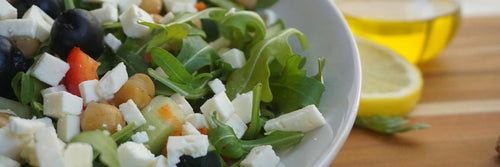
Quercetin is a yellow flavonoid found in many plant-based foods, occurring naturally as rutin. Rich sources include capers (up to 200–234 mg per 100 g), red onions (20–50 mg), lovage leaves (~170 mg), and kale (20–30 mg). Average daily dietary intake in the United States ranges from approximately 3.5 to 50 mg per day, depending on diet. Short-term human clinical studies suggest modest benefits for blood pressure, blood sugar, chronic prostatitis, and rheumatoid arthritis [1][2].
A key challenge with quercetin supplementation is poor absorption: only about 1–2% of free-form quercetin is absorbed when taken with water. Taking quercetin with a fat-containing meal increases absorption by roughly one-third. Enhanced-bioavailability formulations — including Quercetin Phytosome (18× higher blood levels than plain quercetin) and EMIQ — may improve absorption, though marketing claims for these products often overstate the data [1][2].
Table of Contents
- Overview
- Forms and Bioavailability
- Evidence for Benefits
- Recommended Dosing
- Safety and Side Effects
- Drug Interactions
- Dietary Sources
- References
Overview
Quercetin is a naturally occurring flavonol — a subclass of the flavonoid family of plant polyphenols — with the chemical formula C₁₅H₁₀O₇ and systematic name 3,5,7-trihydroxy-2-(3,4-dihydroxyphenyl)-4H-chromen-4-one [1][2]. It is one of the most abundant and widely studied dietary flavonoids, present in numerous fruits, vegetables, grains, and beverages. Quercetin's core structure consists of two aromatic rings (A and B) connected by a heterocyclic pyrone ring (C), bearing five hydroxyl groups that confer its potent antioxidant capacity [1][2].
In plants, quercetin serves as a secondary metabolite contributing to pigmentation, UV protection, and defense against pathogens [1][2]. It predominantly exists as glycosides — compounds in which quercetin is bound to one or more sugar molecules. The most common naturally occurring form is rutin (quercetin-3-O-rutinoside), in which quercetin is attached to the disaccharide rutinose (glucose + rhamnose) [3][4]. Other common glycosides include isoquercitrin (quercetin-3-O-glucoside) and quercitrin (quercetin-3-O-rhamnoside) [3]. During digestion, intestinal enzymes such as lactase-phlorizin hydrolase hydrolyze these glycosides, releasing the bioactive quercetin aglycone for absorption [4][5].
In vitro and animal studies have demonstrated quercetin to possess anti-carcinogenic, anti-inflammatory, antiviral, and antioxidant effects [9][10]. Its antioxidant activity involves direct scavenging of reactive oxygen species (ROS) and reactive nitrogen species (RNS), as well as indirect upregulation of the Nrf2 signaling pathway — enhancing expression of endogenous antioxidant enzymes including superoxide dismutase (SOD) and catalase [11][12]. Its anti-inflammatory properties involve suppression of pro-inflammatory cytokines (TNF-α, IL-1β, IL-4), inhibition of enzymes including cyclooxygenase (COX) and lipoxygenase (LOX), and modulation of pathways including NF-κB, the NLRP3 inflammasome, and PI3K/Akt [11][12][13]. Quercetin also stabilizes mast cells, inhibiting histamine release and degranulation — a property that has driven interest in its potential anti-allergic effects [13][14].
In humans, short-term clinical studies suggest modest benefits in certain conditions including blood pressure reduction, blood sugar management, chronic prostatitis, and rheumatoid arthritis. More recently, quercetin has attracted attention as a senolytic agent — selectively eliminating senescent (aged, dysfunctional) cells — with early-phase clinical trials exploring its potential in Alzheimer's disease and idiopathic pulmonary fibrosis [15][16][17]. However, quercetin's clinical evidence base remains limited by small sample sizes, short durations, and inconsistent results, and no therapeutic uses have been approved by regulatory agencies.
Quercetin is found at particularly high concentrations in capers (up to 200–234 mg per 100 g), with moderate concentrations in red onions (20–50 mg per 100 g, primarily in the outer rings), lovage leaves (~170 mg per 100 g), kale (20–30 mg per 100 g), radicchio (10–30 mg per 100 g), certain berries including chokeberry, cranberry, and lingonberry (~15 mg per 100 g), black plums (12 mg per 100 g), and buckwheat (roasted, 7 mg per 100 g) [2][6]. Smaller concentrations of 1–4 mg per 100 g are found in apples (primarily in the skin), broccoli, tart cherries, and blueberries [2][7].
Quercetin has significant drug interaction potential through multiple enzyme pathways. Anyone taking medications should consult a physician before supplementing [1].
Forms and Bioavailability
Standard Forms
Quercetin (free-form/aglycone): The most basic supplement form, typically derived from plant extracts. It is poorly soluble in water at body temperature, with approximately only 1–2% absorbed when taken with water [18]. Taking quercetin with a high-fat meal (containing approximately 15.4 grams of fat) increases bioavailability by roughly one-third, although total absorption remains a small fraction of the ingested dose [18]. The free form has a slightly bitter taste [2][18].
Quercetin dihydrate: A form in which two water molecules are chemically bound to each quercetin molecule, with quercetin representing 89.35% of the total weight. Thus, 500 mg of quercetin dihydrate provides approximately 447 mg of quercetin [18]. Quercetin dihydrate has no flavor, making it preferable for mixing into drinks [18]. Absorption is similar to the free-form aglycone — poor without concomitant fat intake.
Rutin (quercetin-3-O-rutinoside): The primary natural form of quercetin in food. When occurring naturally in foods, quercetin as rutin is absorbed better than supplemental quercetin, with 3–17% of the quercetin in food-source rutin being absorbed [9][18]. A study in healthy men demonstrated that consuming a red onion soup naturally containing 47 mg of quercetin (as rutin) was roughly bioequivalent to taking 544 mg of quercetin dihydrate as a tablet with water [19]. Blood quercetin levels peak a few hours later when consuming rutin compared to free-form quercetin, because rutin must first be enzymatically cleaved in the intestines to release quercetin [20]. Rutin in supplement form may not be absorbed as well as rutin naturally present in foods [2].
Enhanced Bioavailability Formulations
Quercetin Phytosome (Indena SpA): A formulation that complexes quercetin with sunflower lecithin. A crossover pharmacokinetic study in 12 healthy volunteers compared Quercetin Phytosome (250 mg quercetin per tablet), two tablets of Phytosome, and 500 mg of plain quercetin. The two-tablet phytosome dose (500 mg quercetin total) resulted in 18-fold higher blood levels of quercetin than the equivalent 500 mg dose of plain quercetin [21]. These results demonstrate that the phytosome form substantially improves bioavailability when taken without food. However, because quercetin is ideally taken with a fat-containing meal — and the study did not test the phytosome form with food — it remains uncertain whether the benefit persists in real-world use [21].
EMIQ (Enzymatically Modified Isoquercitrin): Described as an enzymatically modified form of isoquercitrin, marketed by San-Ei-Gen F.F.I. Inc. (Japan). EMIQ is reported to be better absorbed than other quercetin glycosides as purified powders. Some supplement marketers have claimed EMIQ has "40 times greater absorption than quercetin," but this is misleading: the human study did not adequately compare EMIQ to free-form quercetin, while the animal study showed an 18-fold increase in absorption over the measured time period, with a 40-fold increase only at a single time point [18][22][23]. EMIQ has self-affirmed GRAS status with the U.S. FDA. One 100 mg capsule of EMIQ provides 50 mg of quercetin [24].
Pharmacokinetics
Following oral absorption, quercetin reaches peak plasma concentrations (Cmax) of approximately 0.7–6.2 μM within 0.5–2 hours post-ingestion [25]. It binds extensively to plasma proteins, particularly albumin (70–80%), facilitating systemic circulation [4][25]. Distribution favors accumulation in tissues including the liver and kidneys, with uptake facilitated by organic anion-transporting polypeptides (OATPs) [4][25].
Quercetin undergoes extensive phase I and phase II metabolism, primarily in enterocytes of the small intestine and hepatocytes of the liver. Phase II conjugation processes — O-methylation, glucuronidation, and sulfation — occur rapidly upon absorption, converting the aglycone into more water-soluble metabolites. Major metabolites include isorhamnetin (formed via O-methylation at the 3'-position) and quercetin-3-glucuronide (a primary glucuronidation product that predominates in plasma) [26][27].
The gut microbiota contributes significantly to quercetin's bioavailability by hydrolyzing glycosylated forms through bacterial enzymes including α-rhamnosidase and β-glucosidase, releasing the free quercetin aglycone in the colon [28][29]. The plasma half-life of quercetin ranges from 11–28 hours after oral administration [4][25].
How to Take Quercetin
To maximize absorption, quercetin should be taken with a meal that contains a meaningful amount of fats or oils [18]. The free-form aglycone and rutin have a slightly bitter taste, while quercetin dihydrate is flavorless and more suitable for beverages [18].
Comparison Table: Quercetin Forms
| Form | Quercetin Content | Relative Bioavailability | Taste | Key Feature |
|---|---|---|---|---|
| Quercetin (free-form) | 100% | Low (~1–2% without fat) | Slightly bitter | Most common, cheapest |
| Quercetin Dihydrate | 89.35% | Low (~1–2% without fat) | None | Flavorless, good for drinks |
| Rutin (supplement) | Variable | Low–moderate | Slightly bitter | May not absorb as well as food-source rutin |
| Rutin (in food) | Variable | Moderate (3–17%) | N/A | Best-absorbed natural form |
| Quercetin Phytosome | ~50% of tablet weight | Up to 18× higher than plain | Tablet | Enhanced absorption without food; uncertain benefit with food |
| EMIQ | ~50% of capsule weight | Reported higher than rutin | Capsule | Claims of 18–40× increase debated; GRAS status |
Evidence for Benefits
Blood Pressure
Some, but not all, clinical studies suggest quercetin may modestly lower blood pressure. A systematic review and meta-analysis of seven clinical trials lasting four to ten weeks found that 500–1,000 mg of quercetin daily reduced systolic blood pressure by approximately 3.04 mmHg (95% CI: −5.75 to −0.33) and diastolic blood pressure by approximately 2.63 mmHg (95% CI: −4.54 to −0.72) in people with and without high blood pressure [31]. The effects appeared more pronounced in those with elevated baseline blood pressure [31][32]. Additional meta-analyses have reported broadly consistent findings, with systolic blood pressure reductions of 2–4 mmHg at doses around 500 mg per day over 4–8 weeks [32][33].
The mechanism of blood pressure reduction is thought to involve improved endothelial function through PI3K/Akt-mediated eNOS activation, supporting nitric oxide production and vascular protection [12][13].
Blood Sugar and Insulin Resistance
Several clinical studies suggest quercetin supplementation may slightly decrease fasting blood sugar and insulin levels, though results depend on dose and population.
A placebo-controlled study among 82 women with polycystic ovary syndrome (PCOS), high-normal fasting blood sugar, and moderate insulin resistance found that those who took 500 mg of quercetin after breakfast and lunch (1,000 mg/day total) for three months experienced small but statistically significant decreases in fasting blood sugar (−1.99 mg/dL), blood insulin levels (−1.74 uIU/mL), and HOMA-IR (−0.44), a measure of insulin resistance [34].
However, studies in adults with metabolic syndrome using lower daily doses (100–730 mg) have failed to demonstrate improvement in glycemic control [35]. This suggests a possible dose-response relationship, with lower doses insufficient to produce measurable effects. In healthy non-diabetics, significant blood sugar changes are not typically observed at standard supplemental doses [32][36].
Chronic Prostatitis
Preliminary evidence suggests quercetin may benefit men with chronic prostatitis. A one-month, double-blind, placebo-controlled study among 28 men (average age 44) with inflammatory or non-inflammatory chronic prostatitis found that 67% of those who took quercetin (500 mg twice daily) experienced significant overall improvement in symptoms, compared to only 20% of men who took placebo [37]. Specific symptoms that improved were pain and quality of life, but urinary symptoms such as urgency or difficulty voiding did not improve significantly [37].
Rheumatoid Arthritis
A study among 40 women in Iran (average age 47) with rheumatoid arthritis found that 500 mg of quercetin taken once daily for two months decreased morning stiffness, morning pain, and after-activity pain compared to placebo [38]. However, quercetin did not reduce the number of tender or swollen joints, or overall disease activity scores [38]. The quercetin supplement (Solaray) was taken after lunch with a glass of water; Solaray did not fund the study [38].
There do not appear to be published studies on the effects of quercetin supplementation in people with osteoarthritis.
Seasonal Allergies
Laboratory studies have demonstrated that quercetin inhibits the release of histamine and antigen-specific IgE antibodies from mast cells — both involved in allergic and inflammatory responses to seasonal allergens [14][39]. Quercetin stabilizes mast cells by blocking calcium influx and modulating signaling pathways including NF-kB and PKC. A 2012 study found quercetin more effective than cromolyn sodium (a prescription mast cell stabilizer) at blocking cytokine release from human mast cells stimulated by substance P [40].
However, clinical evidence in humans is limited to two small studies, and the benefit appears modest at best.
Study 1 — EMIQ for cedar pollen allergy: A study in Japan among 24 men and women allergic to cedar pollen found that 100 mg of EMIQ (providing 50 mg of quercetin) taken once daily — starting one month before and continuing one month during cedar pollen season — reduced self-reported eye symptoms such as itching and tearing and decreased allergy medication use, but did not reduce nasal symptoms compared to placebo [24].
Study 2 — Quercetin Phytosome for pollen allergy: A study among 60 people in Japan who reported significant nasal and eye symptoms during pollen season found that two tablets of Quercetin Phytosome (50 mg quercetin per tablet) twice daily (200 mg quercetin/day) for 4 weeks during pollen season did not significantly improve most symptoms — including runny nose, nasal congestion, or teary eyes — although sneezing was slightly reduced compared to placebo. The study was funded by Indena S.p.A., which manufactures Quercetin Phytosome [42].
Quercetin is commonly used in functional medicine for managing symptoms attributed to histamine intolerance. However, histamine intolerance is not formally recognized as a distinct disorder by major medical organizations, and no standardized dosage has been established by authoritative bodies such as the NIH [43][14].
Fatty Liver Disease (MASLD)
A small study in China among 36 adults (average age 40) with metabolic dysfunction-associated steatotic liver disease (MASLD) found that 500 mg of quercetin once daily for 12 weeks reduced liver fat content from 11.5% to 9.6%, which was statistically significant compared to placebo (no change from 11.1%) [58]. The quercetin group also showed a slightly greater reduction in body weight compared to placebo (−3.3 vs. −0.4 lbs) [58]. However, there were no statistically significant between-group differences in biomarkers of liver function (ALT, AST, GGT), kidney function, or fasting blood sugar or insulin levels [58].
Viral Infections
Laboratory and animal studies have shown that quercetin and its major metabolites, such as quercetin 3-beta-O-d-glucoside (Q3G, also called isoquercetin), inhibit a wide variety of viruses, including influenza virus, Chikungunya virus, Epstein-Barr virus, hepatitis C virus, Ebola virus, Zika virus (ZIKV), and SARS-CoV [44][45][46]. Quercetin appears to work by preventing viruses from entering cells, thereby reducing viral load [47].
Ebola (animal study): Mice injected with high doses (50 mg/kg body weight) of Q3G every other day for three weeks before infection with a lethal dose of Ebola virus all survived, while all untreated control mice died [44].
Upper respiratory tract infections in athletes: A small study in 40 trained male cyclists found that 1,000 mg of quercetin daily for three weeks before and two weeks after intense exercise significantly reduced the incidence of upper respiratory tract infections during the two weeks after exercise compared to placebo (1 infection vs. 9 infections). However, quercetin did not alter blood markers of inflammation and immune function [48].
Large URTI prevention trial: A randomized, placebo-controlled trial involving over 1,000 participants supplemented with 500 or 1,000 mg per day of quercetin (plus vitamin C and niacin) for 12 weeks found no significant overall reduction in URTI rates, duration, or severity. However, a subgroup analysis of physically fit adults aged 40 and older showed a 31% reduction in total sick days and a 36% reduction in severity with the 1,000 mg dose [49].
COVID-19 Studies
A preliminary study of Quercetin Phytosome suggested it may reduce the risk of COVID-19 infection. In the study, 60 healthcare workers took Quercetin Phytosome (250 mg tablet, 200 mg quercetin) twice daily for three months, while another 60 took placebo. By the end of 5 months, only 1 person had COVID-19 in the quercetin group versus 4 in the placebo group. Two of the study authors were Indena employees [50].
Two small, company-funded, open-label studies (not placebo-controlled) in Pakistan examined quercetin in people with early-stage COVID-19. Among 152 people with early-stage COVID-19, those taking quercetin (400 mg quercetin/day as Phytosome) with standard care for 30 days experienced reduced hospitalization rates (9.2% vs. 28.9%), reduced need for oxygen (1.3% vs. 19.7%), and reduced ICU admission (0% vs. 10.5%). However, a significantly greater percentage of patients not given quercetin had comorbid conditions, and when only patients without comorbidities were considered, there was no between-group difference in hospitalization or ICU admission [51][52].
Because these COVID-19 studies were either open-label, not placebo-controlled, or manufacturer-funded, firm conclusions about quercetin's effectiveness for COVID-19 cannot be drawn. As of 2025, major health authorities including the NIH do not endorse quercetin as a preventive or therapeutic agent for COVID-19 [54].
Importantly, quercetin may increase the activity of CYP3A enzymes in the intestines, which could theoretically decrease the effects of certain antiviral drugs used to treat COVID-19, including Paxlovid (nirmatrelvir plus ritonavir). This interaction has not been observed in humans, but caution is warranted [55].
Memory and Cognition
A combination of quercetin and resveratrol (160 mg quercetin plus 100 mg resveratrol, taken twice daily with meals) has shown mixed results for improving memory. One study among overweight but otherwise healthy adults found the combination improved memory performance and hippocampal activity [56]. However, a second study using the same combination found no benefit [57]. There do not appear to be any studies on the effects of quercetin alone on memory or cognition in humans.
Senolytic Effects (Aging Research)
Quercetin, typically in combination with the cancer drug dasatinib, has attracted significant attention as a senolytic agent — selectively eliminating senescent cells, which accumulate with age and contribute to chronic inflammation, tissue dysfunction, and age-related diseases [15][16][17].
Alzheimer's disease (Phase 1): A completed Phase 1 clinical trial (NCT04063124) of dasatinib plus quercetin in early Alzheimer's disease, with results published in 2025, demonstrated safety, feasibility, central nervous system penetration, and preliminary improvements in fluid biomarkers and cognition [15]. An ongoing Phase 2 trial (NCT04785300) continues to explore this combination for mild cognitive impairment [16].
Idiopathic pulmonary fibrosis: A first-in-human, open-label Phase 2 clinical trial showed that dasatinib plus quercetin was safe and feasible in patients with idiopathic pulmonary fibrosis, with preliminary signals of benefit [17].
It is important to note that the senolytic research uses quercetin in combination with dasatinib, a prescription cancer drug, and these results cannot be extrapolated to quercetin supplementation alone.
Exercise Performance
Quercetin does not appear to improve exercise performance. A review of seven randomized, placebo-controlled studies lasting between one week and 1.5 months concluded that quercetin supplementation (600–1,000 mg per day, typically taken in divided doses with meals) is unlikely to have beneficial effects for aerobic exercise in either trained or untrained individuals [59].
Testosterone
There do not appear to be any studies on the effects of quercetin supplementation and testosterone levels in humans. Several studies in animals showed that quercetin could reduce drops in testosterone caused by exposure to chemicals, herbicides, or heavy metals such as cadmium, but this does not indicate that quercetin increases testosterone levels under normal physiological conditions [60][61].
Sleep
A study in rats found that quercetin altered the sleep-wake cycle and decreased time spent in REM sleep, but there do not appear to be any studies on the effects of quercetin supplementation on sleep or insomnia in people [62].
Cancer
Studies have not been conducted with quercetin supplementation to determine effects on cancer in humans. In vitro and animal studies show preclinical promise through inhibition of cell proliferation, induction of apoptosis, and modulation of signaling pathways in various cancer types [63]. Human clinical evidence is extremely limited.
An early-phase study in which quercetin was given intravenously to 51 people with a variety of cancers found no reduction in cancers based on radiologic imaging, although one patient with ovarian cancer and one with liver cancer each had an improvement in a single marker of disease activity [64]. A study in Iran among 20 people undergoing chemotherapy for blood cancer found that quercetin (250 mg quercetin hydrate twice daily for one month) did not reduce the occurrence of oral mucositis (a common chemotherapy side effect) [65]. The FDA has not authorized health claims for quercetin in cancer prevention or treatment [63].
Recommended Dosing
There is no established Recommended Dietary Allowance (RDA) or Daily Value (DV) for quercetin, as it is not classified as an essential nutrient.
Dosing by Indication (from clinical studies)
| Indication | Dose | Duration | Source |
|---|---|---|---|
| Chronic prostatitis | 500 mg twice daily (1,000 mg/day) | 1 month | Shoskes 1999 [37] |
| Blood sugar / insulin resistance (PCOS) | 500 mg twice daily (1,000 mg/day) | 3 months | Resvan 2018 [34] |
| Blood pressure | 500–1,000 mg/day | 4–10 weeks | Serban 2016 [31] |
| Rheumatoid arthritis | 500 mg once daily | 2 months | Javadi 2017 [38] |
| Fatty liver disease (MASLD) | 500 mg once daily | 12 weeks | Li 2024 [58] |
| Seasonal allergy (EMIQ) | 100 mg EMIQ once daily (50 mg quercetin) | 2 months (pre + during season) | Hirano 2009 [24] |
| Seasonal allergy (Phytosome) | 200 mg quercetin/day (as Phytosome) | 4 weeks | Yamada 2022 [42] |
| URI prevention in athletes | 1,000 mg/day | 5 weeks | Nieman 2007 [48] |
General Supplementation Guidance
- Typical supplement dose: 500 mg once or twice daily, taken with a fat-containing meal [18].
- FDA GRAS status: Quercetin has been affirmed as generally recognized as safe at levels up to 500 mg per serving for food applications [66].
- Clinical safety range: Oral quercetin is generally considered safe at doses up to 1,000 mg per day in healthy individuals for up to 12 weeks. Phase I studies have shown tolerability up to 5,000 mg per day for short periods without significant adverse events [66][67].
- How to take: With a meal containing fat for best absorption. Splitting doses (e.g., 500 mg with breakfast and 500 mg with dinner) is common in clinical studies [18][34][37].
Safety and Side Effects
Common Side Effects
Side effects with quercetin have been uncommon in short-term clinical studies (three months or less) at doses between 500 mg and 1,000 mg per day. Reported side effects have generally been mild and include [68]:
- Nausea
- Stomach upset
- Headache
- Mild tingling in the extremities (reported in one of 15 participants in one study) [37]
Taking quercetin with food may reduce stomach upset and improve absorption [18][68].
Dose-Escalation Safety Data
In a small one-week study among older adults with chronic obstructive pulmonary disease (COPD), daily doses of 500 mg, 1,000 mg, or 2,000 mg of quercetin (from 500 mg soft chews taken with food) were generally well-tolerated, except for the development or worsening of gastro-esophageal reflux disease (GERD) in one participant [69].
Oral quercetin is generally considered safe at doses up to 1,000 mg per day for up to 12 weeks. Phase I clinical studies have demonstrated tolerability up to 5,000 mg per day for short periods without significant adverse events [66][67]. There is not enough research to determine the safety of taking more than 1,000 mg per day for longer than 3 months, or more than 2,000 mg per day for longer than a week [68].
Blood Pressure
Quercetin may modestly lower blood pressure. People with low blood pressure, or those taking blood pressure-lowering medications, should use quercetin with caution [31][68].
Kidney Concerns
Animal studies suggest that quercetin may potentially exacerbate pre-existing kidney disease or damage [68]. In humans, intravenous quercetin has caused kidney toxicity in some people, with doses above 945 mg/m² associated with nephrotoxicity [64][67]. Oral supplementation has not been shown to cause kidney damage in clinical studies, but caution is warranted in individuals with existing kidney disease.
Estrogenic Activity
Some evidence from laboratory and animal studies suggests that quercetin may promote estrogen receptor-positive breast cancer cell growth at high doses [68][70]. In chronic exposure studies, high doses of quercetin exceeding 100 mg/kg body weight have exhibited potential estrogenic activity in animals, including increased serum estradiol levels [70]. Quercetin may also inhibit catechol-O-methyltransferase (COMT), an enzyme involved in the metabolism of catechol estrogens, which could theoretically lead to prolonged exposure to potentially carcinogenic metabolites [71]. Those with hormone-sensitive conditions should consult a healthcare provider before using quercetin [70].
Iron Absorption
Preliminary evidence from laboratory and animal research suggests that quercetin may bind to iron and therefore inhibit iron absorption or interfere with iron storage in the body [72][73]. People with iron deficiency or those prone to iron-deficiency anemia should use quercetin with caution [72][73].
Thyroid Function
Laboratory and animal studies suggest quercetin may be a thyroid disruptor, interfering with iodide uptake and inhibiting the enzyme thyroid type 1 5'-deiodinase involved in the conversion of thyroid hormone T4 to its active form T3 [74][75]. There do not appear to be studies investigating the effects of quercetin supplementation in people with thyroid disease. Some researchers advise that people with hypothyroidism, those who may undergo radioiodine treatment, and pregnant and lactating women should avoid quercetin out of caution [74].
Alcohol Interaction
Quercetin may prevent alcohol from being broken down in the body, potentially increasing the risk of alcohol-related adverse effects such as facial flushing and headache. A laboratory study showed that quercetin-3-glucuronide — a liver metabolite of quercetin that is also one of the major quercetin glycosides in red wine — inhibited ALDH2, an enzyme that breaks down the alcohol metabolite acetaldehyde [76]. The researchers estimated that the average concentration of quercetin in a 5 fl. oz glass of red wine might inhibit ALDH2 by about 37%, potentially explaining why some people who tolerate other alcoholic beverages experience headaches with red wine [76].
Pregnancy and Lactation
Due to limited safety data, pregnant and lactating women should exercise caution. Some researchers advise avoidance of quercetin supplementation during these periods [70][74].
Long-Term Animal Toxicity
Quercetin demonstrates low acute oral toxicity in rodent models (LD50 approximately 160 mg/kg in rats) [1]. However, long-term administration in male rats has been associated with elevated incidence of renal tubule cell adenomas at high dietary concentrations [77]. These findings have not been replicated in human populations at supplemental doses.
Drug Interactions
Quercetin has pharmacologically significant interactions with multiple drug-metabolizing enzymes and transporters. These interactions are clinically relevant and should be considered before combining quercetin with prescription medications.
OATP1B1 Substrates (Increased Absorption)
Quercetin may increase the absorption, effects, and side effects of drugs that are substrates of OATP1B1. In a study among 10 healthy men who took 500 mg of quercetin daily for two weeks, followed by a single 40 mg dose of pravastatin, absorption of the drug was increased by 24% and the elimination half-life was prolonged by 14% [78].
Other drugs that are OATP1B1 substrates and potentially affected include [78][79][80]:
- Statin drugs: rosuvastatin (Crestor), fluvastatin (Lescol), pitavastatin (Livalo), atorvastatin (Lipitor)
- Conjugated estrogens
- Valsartan (Diovan)
- Enalapril (Vasotec)
- Methotrexate (Otrexup)
- Fexofenadine (Allegra)
CYP2C9 Inhibition (Increased Drug Effects)
Quercetin may inhibit the enzyme CYP2C9, potentially increasing the effects of drugs metabolized by this enzyme [81]. A study among healthy adults showed that 500 mg of quercetin taken twice daily for 10 days significantly increased the absorption of diclofenac (Voltaren, Flector), a CYP2C9 substrate [82].
Other CYP2C9 substrates include [81][82]:
- Celecoxib (Celebrex)
- Fluvastatin (Lescol)
- Glipizide (Glucotrol)
- Ibuprofen (Advil, Motrin)
- Losartan (Cozaar)
- Phenytoin (Dilantin)
- Piroxicam (Feldene)
- Tamoxifen (Nolvadex)
- Warfarin (Coumadin)
CYP2C8 Inhibition
Quercetin also appears to inhibit the enzyme CYP2C8 and has been shown in animal studies to significantly increase blood levels of amiodarone (Pacerone, Cordarone, Nexterone), a drug prescribed for certain types of fast or irregular heart rhythm [83]. This effect has not been documented in humans, but because small differences in amiodarone levels may significantly impact its effects and side effects, patients taking this drug should consult their physician before taking quercetin [83].
Other CYP2C8 substrates include [83]:
- Dasabuvir (Exviera)
- Enzalutamide (Xtandi)
- Imatinib (Gleevec)
- Loperamide (Imodium)
- Paclitaxel (Taxol)
- Repaglinide (Prandin)
CYP3A Induction (Decreased Drug Effects)
Quercetin may increase the activity of the enzyme CYP3A in the intestines, and therefore may decrease the effects of drugs metabolized by this enzyme. In a small study among healthy adults, 500 mg of quercetin taken daily for 13 days significantly reduced the activity of midazolam (a single 7.5 mg dose) taken on day 14 [84].
This is a particularly extensive list of affected medications [55][84]:
- Statins: atorvastatin (Lipitor), lovastatin (Mevacor, Altoprev), simvastatin (Zocor)
- Blood pressure drugs: losartan (Cozaar), felodipine (Plendil), amlodipine (Norvasc)
- Anticoagulants: apixaban (Eliquis), rivaroxaban (Xarelto)
- Calcium channel blockers: diltiazem (Cardizem), nicardipine (Cardene IV), verapamil (Verelan)
- Sedatives/benzodiazepines: diazepam (Valium), alprazolam (Xanax), lorazepam (Ativan)
- Gastric reflux medications: cisapride (Propulsid), omeprazole (Prilosec)
- Erectile dysfunction drugs: tadalafil (Cialis), sildenafil (Viagra)
- Anti-nausea drugs: ondansetron (Zofran)
- Anesthetics/antiarrhythmics: lidocaine (Xylocaine)
- Pain medications: fentanyl (Sublimaze)
- Antihistamines: fexofenadine (Allegra)
- Immunosuppressants: tacrolimus (FK-506, Protopic, Prograf, Hecoria)
- COVID-19 antiviral: Paxlovid (nirmatrelvir plus ritonavir) — theoretically, quercetin may reduce Paxlovid's activity, although this has not been reported in humans [55]
Note: Quercetin is NOT expected to influence the effectiveness of remdesivir (Veklury), another COVID-19 antiviral drug [55].
Warfarin: Multiple Interaction Mechanisms
Warfarin deserves special mention because quercetin interacts with it through multiple mechanisms: CYP2C9 inhibition (reduced metabolism), CYP3A induction (potentially competing effect), and quercetin metabolites can displace warfarin from serum albumin binding sites, enhancing anticoagulant activity [85][86]. Patients on warfarin should exercise particular caution and consult their physician.
Chemotherapy Agents
Quercetin may interact with certain chemotherapy agents by interfering with their oxidative mechanisms, potentially reducing treatment efficacy [63]. Cancer patients should consult their oncologist before using quercetin supplements.
Dietary Sources
Quercetin is widely distributed in plant-based foods, where it predominantly occurs as glycosides (bound to sugars), particularly rutin. These food-source forms of quercetin appear to be better absorbed than supplemental quercetin [18][19].
Top Food Sources
| Food (per 100g) | Quercetin (mg) | Notes |
|---|---|---|
| Capers (raw) | 200–234 | Highest known food source [2][6] |
| Lovage leaves | ~170 | Herb, high concentration [6] |
| Red onions | 20–50 | Concentrated in outer rings [2][6] |
| Kale | 20–30 | [6] |
| Radicchio | 10–30 | [2] |
| Chokeberry | ~15 | [2] |
| Cranberry | ~15 | [2] |
| Lingonberry | ~15 | [2] |
| Black plums | ~12 | [2] |
| Blueberries | ~7.7 | [6] |
| Buckwheat (roasted) | ~7 | [2] |
| Apples | 1–4 | Concentrated in the skin [2][7] |
| Broccoli | 1–4 | [2] |
| Tart cherries | 2–3 | Per 100 g / approximately 15 cherries [2] |
| Green tea | Variable | Quercetin leaches into infusion [6] |
| Red wine | Variable | Higher quercetin than white wine [6][76] |
Practical Notes on Dietary Quercetin
- Onion preparation matters. Quercetin is concentrated in the outer rings and skin of onions. Peeling away the outer layers significantly reduces quercetin content. Red onions contain more quercetin than white or yellow varieties [2][6].
- Organic produce may contain more quercetin. A long-term study of tomatoes demonstrated that organic farming methods resulted in 79% higher quercetin levels compared to conventional approaches, likely due to increased plant stress responses [87].
- Cooking can reduce quercetin content, as quercetin may leach into cooking water. Sautéing and roasting preserve more quercetin than boiling [6].
- Food-source quercetin is better absorbed. Quercetin naturally present in foods as rutin is absorbed more efficiently than supplemental quercetin, making a flavonoid-rich diet a meaningful way to increase quercetin exposure [18][19].
- A food-first approach emphasizing onions, capers, berries, apples, kale, and tea can meaningfully boost dietary quercetin intake, particularly for individuals who prefer not to supplement.
- Major sources by food category: Vegetables (primarily onions) contribute about 50% of total flavonoid intake, fruits contribute about 10%, and beverages (primarily tea and red wine) supply the remainder. Quercetin comprises approximately 70% of the total dietary flavonol intake [6][8].
References
- PubChem. "Quercetin | C15H10O7 | CID 5280343." National Center for Biotechnology Information. https://pubchem.ncbi.nlm.nih.gov/compound/Quercetin
- ConsumerLab. Quercetin & Rutin Supplements Review. Accessed 2025. https://www.consumerlab.com/reviews/quercetin-supplements/quercetin/
- Materska M. "Quercetin and Its Derivatives: Chemical Structure and Bioactivity — A Review." Pol J Food Nutr Sci. 2008;58(4):407-413.
- Grokipedia. "Quercetin." https://grokipedia.com/page/Quercetin
- Nemeth K, Plumb GW, Berrin JG, et al. "Deglycosylation by small intestinal epithelial cell beta-glucosidases is a critical step in the absorption and metabolism of dietary flavonoid glycosides in humans." Eur J Nutr. 2003;42(1):29-42.
- USDA Database for the Flavonoid Content of Selected Foods, Release 3.3. 2018. U.S. Department of Agriculture.
- Formica JV, Regelson W. "Review of the biology of quercetin and related bioflavonoids." Food Chem Toxicol. 1995;33(12):1061-1080.
- Sampson L, Rimm E, Hollman PC, et al. "Flavonol and flavone intakes in US health professionals." J Am Diet Assoc. 2002;102(10):1414-1420.
- Li Y, Yao J, Han C, et al. "Quercetin, Inflammation and Immunity." Nutrients. 2016;8(3):167. https://doi.org/10.3390/nu8030167
- Somerville VS, Braakhuis AJ, Hopkins WG. "Effect of Flavonoids on Upper Respiratory Tract Infections and Immune Function: A Systematic Review and Meta-Analysis." Adv Nutr. 2016;7(3):488-497. https://doi.org/10.3945/an.115.010538
- Xu D, Hu MJ, Wang YQ, Cui YL. "Antioxidant Activities of Quercetin and Its Complexes for Medicinal Application." Molecules. 2019;24(6):1123. https://doi.org/10.3390/molecules24061123
- Tang SM, Deng XT, Zhou J, et al. "Pharmacological basis and new insights of quercetin action in respect to its anti-cancer effects." Biomed Pharmacother. 2020;121:109604.
- Mlcek J, Jurikova T, Skrovankova S, Sochor J. "Quercetin and Its Anti-Allergic Immune Response." Molecules. 2016;21(5):623. https://doi.org/10.3390/molecules21050623
- Weng Z, Zhang B, Asadi S, et al. "Quercetin Is More Effective than Cromolyn in Blocking Human Mast Cell Cytokine Release." PLoS ONE. 2012;7(3):e33805. https://doi.org/10.1371/journal.pone.0033805
- Gonzales MM, Garbarino VR, Pollet E, et al. "Senolytic Therapy to Modulate Progression of Alzheimer's Disease (SToMP-AD) — Phase 1 Results." Nat Med. 2025. https://pubmed.ncbi.nlm.nih.gov/40274471/
- ClinicalTrials.gov. NCT04785300. Senolytic Therapy for Mild Cognitive Impairment. https://clinicaltrials.gov/study/NCT04785300
- Justice JN, Nambiar AM, Tchkonia T, et al. "Senolytics in idiopathic pulmonary fibrosis: Results from a first-in-human, open-label, pilot study." EBioMedicine. 2019;40:554-563. https://doi.org/10.1016/j.ebiom.2018.12.052
- ConsumerLab. "ConsumerTips: Forms of Quercetin." In: Quercetin & Rutin Supplements Review. Absorption data from: Guo Y et al., Mol Nutr Food Res. 2013; Shi Y et al., Food Funct. 2015; Erlund I et al., Eur J Clin Pharmacol. 2000.
- Shi Y, Williamson G. "Quercetin lowers plasma uric acid in pre-hyperuricaemic males: a randomised, double-blinded, placebo-controlled, cross-over trial." Food Funct. 2015.
- Erlund I, Kosonen T, Alfthan G, et al. "Pharmacokinetics of quercetin from quercetin aglycone and rutin in healthy volunteers." Eur J Clin Pharmacol. 2000;56(8):545-553. https://doi.org/10.1007/s002280000197
- Riva A, Ronchi M, Petrangolini G, et al. "Improved Oral Absorption of Quercetin from Quercetin Phytosome, a New Delivery System Based on Food Grade Lecithin." Eur J Drug Metab Pharmacokinet. 2019;44(2):169-177. https://doi.org/10.1007/s13318-018-0517-3
- Makino T, Shimizu R, Kanemaru M, et al. "Enzymatically modified isoquercitrin, alpha-oligoglucosyl quercetin 3-O-glucoside, is absorbed more easily than other quercetin glycosides or aglycone after oral administration in rats." Biol Pharm Bull. 2009;32(12):2034-2040. https://doi.org/10.1248/bpb.32.2034
- Murota K, Matsuda N, Kashino Y, et al. "Alpha-oligoglucosylation of a sugar moiety enhances the bioavailability of quercetin glucosides in humans." Arch Biochem Biophys. 2010;501(1):91-97. https://doi.org/10.1016/j.abb.2010.06.036
- Hirano T, Higa S, Arimitsu J, et al. "Flavonoids such as luteolin, fisetin and apigenin are inhibitors of interleukin-4 and interleukin-13 production by activated human basophils... Enzymatically modified isoquercitrin suppresses the immune responses of pollinosis." Allergol Int. 2009;58(3):437-444.
- Grokipedia. Pharmacokinetics section. Quercetin Cmax, protein binding, tissue distribution, and half-life data.
- Grokipedia. Metabolism section. Phase I and phase II conjugation, O-methylation, glucuronidation, and sulfation.
- Day AJ, Mellon F, Barron D, et al. "Human metabolism of dietary flavonoids: identification of plasma metabolites of quercetin." Free Radic Res. 2001;35(6):941-952.
- Hollman PC, de Vries JH, van Leeuwen SD, et al. "Absorption of dietary quercetin glycosides and quercetin in healthy ileostomy volunteers." Am J Clin Nutr. 1995;62(6):1276-1282.
- Grokipedia. Gut microbiota contribution to quercetin bioavailability via alpha-rhamnosidase and beta-glucosidase.
- Grokipedia. Biliary excretion and enterohepatic cycling of quercetin metabolites.
- Serban MC, Sahebkar A, Zanchetti A, et al. "Effects of Quercetin on Blood Pressure: A Systematic Review and Meta-Analysis of Randomized Controlled Trials." J Am Heart Assoc. 2016;5(7):e002713. https://doi.org/10.1161/JAHA.115.002713
- Grokipedia. Cardiovascular health meta-analyses of quercetin supplementation and blood pressure.
- Huang H, Liao D, Dong Y, Pu R. "Effects of Quercetin on Blood Pressure: A Systematic Review and Meta-Analysis." Nutrition. 2020;68:110561.
- Resvan H, Pourghassem Gargari B, Asghari-Jafarabadi M, et al. "Quercetin supplementation in women with PCOS." Cell J. 2018;19(Suppl 1):154-162.
- Ostadmohammadi V, Milajerdi A, Ayati E, et al. "Effects of quercetin supplementation on glycemic control among patients with metabolic syndrome and related disorders: A systematic review and meta-analysis of randomized controlled trials." Phytother Res. 2019;33(5):1330-1340. https://doi.org/10.1002/ptr.6334
- Grokipedia. Blood sugar regulation, insulin sensitivity, and quercetin-bromelain combinations.
- Shoskes DA, Zeitlin SI, Shahed A, Rajfer J. "Quercetin in men with category III chronic prostatitis: a preliminary prospective, double-blind, placebo-controlled trial." Urology. 1999;54(6):960-963. https://doi.org/10.1016/S0090-4295(99)00358-1
- Javadi F, Ahmadzadeh A, Eghtesadi S, et al. "The Effect of Quercetin on Inflammatory Factors and Clinical Symptoms in Women with Rheumatoid Arthritis: A Double-Blind, Randomized Controlled Trial." J Am Coll Nutr. 2017;36(1):9-15. https://doi.org/10.1080/07315724.2016.1140093
- Kashiwabara M, Asano K, Mizuyoshi T, Kobayashi H. "Suppression of neuropeptide production by quercetin in allergic rhinitis model rats." BMC Complement Altern Med. 2016;16:132. https://doi.org/10.1186/s12906-016-1123-z
- Weng Z et al., 2012. See [14].
- Kashiwabara M et al., 2016. See [39].
- Yamada S, Shirai M, Ono K, et al. "Effects of Quercetin Phytosome supplementation on allergic rhinitis: a placebo-controlled trial." Eur Rev Med Pharmacol Sci. 2022;26(2):563-571.
- Grokipedia. Histamine intolerance and quercetin — no standardized dosage established by NIH or major medical organizations.
- Qiu X, Kroeker A, He S, et al. "Prophylactic Efficacy of Quercetin 3-beta-O-D-Glucoside against Ebola Virus Infection." Antimicrob Agents Chemother. 2016;60(9):5182-5188. https://doi.org/10.1128/AAC.00307-16
- Wong G, He S, Siragam V, et al. "Antiviral activity of quercetin-3-beta-O-D-glucoside against Zika virus infection." Virol Sin. 2017;32(6):545-547. https://doi.org/10.1007/s12250-017-4057-9
- Chen L, Li J, Luo C, et al. "Binding interaction of quercetin-3-beta-galactoside and its synthetic derivatives with SARS-CoV 3CLpro." Bioorg Med Chem. 2006;14(24):8295-8306.
- Agrawal PK, Agrawal C, Blunden G. "Quercetin: Antiviral Significance and Possible COVID-19 Integrative Considerations." Nat Prod Commun. 2020;15(12). https://doi.org/10.1177/1934578X20976293
- Nieman DC, Henson DA, Gross SJ, et al. "Quercetin reduces illness but not immune perturbations after intensive exercise." Med Sci Sports Exerc. 2007;39(9):1561-1569. https://doi.org/10.1249/mss.0b013e318076b566
- Heinz SA, Henson DA, Austin MD, et al. "Quercetin and the incidence of upper respiratory tract infection: A randomized, double-blind, placebo-controlled study." Pharmacol Res. 2010;62(3):159-170. https://doi.org/10.1016/j.phrs.2010.05.006
- Rondanelli M, Perna S, Gasparri C, et al. "Quercetin Phytosome Supplementation as an Adjunct to COVID-19 Vaccination." Life. 2022;12(7):1076. https://doi.org/10.3390/life12071076
- Di Pierro F, Iqtadar S, Khan A, et al. "Potential clinical benefits of quercetin in the early stage of COVID-19: results of a second, pilot, randomized, controlled and open-label clinical trial." Int J Gen Med. 2021;14:2807-2816. https://doi.org/10.2147/IJGM.S318949
- Di Pierro F, Derosa G, Maffioli P, et al. "Possible therapeutic effects of adjuvant quercetin supplementation against early-stage COVID-19 infection." Int J Gen Med. 2021;14:2359-2366.
- Shohan M, Nashibi R, Mahmoudian-Sani MR, et al. "The therapeutic efficacy of quercetin in combination with antiviral drugs in hospitalized COVID-19 patients: A randomized controlled trial." Eur J Pharmacol. 2021;914:174615. https://doi.org/10.1016/j.ejphar.2021.174615
- Grokipedia. NIH position on quercetin and COVID-19 as of 2025.
- ConsumerLab. CYP3A interaction with Paxlovid and other antiviral drugs.
- Witte AV, Kerti L, Margulies DS, Floel A. "Effects of resveratrol on memory performance, hippocampal functional connectivity, and glucose metabolism in healthy older adults." J Neurosci. 2014;34(23):7862-7870. https://doi.org/10.1523/JNEUROSCI.0385-14.2014
- Huhn S, Beyer F, Zhang R, et al. "Effects of resveratrol plus quercetin supplementation on cognition, cerebrovascular function and metabolic health in healthy older adults: A 6-month randomized controlled trial." Neuroimage. 2018.
- Li S, Wang Y, Chen L, et al. "Quercetin supplementation reduces liver fat in adults with metabolic dysfunction-associated steatotic liver disease: a randomized controlled trial." Am J Clin Nutr. 2024;119(6):1459-1467.
- Pelletier DM, Lacerte G, Bherer L, et al. "Effects of quercetin supplementation on endurance performance and maximal oxygen consumption: a meta-analysis." Int J Sport Nutr Exerc Metab. 2013;23(1):73-82. https://doi.org/10.1123/ijsnem.23.1.73
- Aziz MM, Eid NI, Nada AS, et al. "Possible protective effect of quercetin against cadmium-induced testicular injury in male rats." Biomed Pharmacother. 2018;100:419-425. https://doi.org/10.1016/j.biopha.2018.02.030
- Ujah GA, Nna VU, Agah MI, et al. "Effect of quercetin on cadmium-induced oxidative stress, impaired reproductive function and altered spermatogenesis in rats." Andrologia. 2018;50(8):e13031. https://doi.org/10.1111/and.13031
- Kambe D, Kotani M, Yoshimoto M, et al. "Effects of quercetin on the sleep-wake cycle in rats: involvement of gamma-aminobutyric acid receptor type A in regulation of rapid eye movement sleep." Brain Res. 2010;1330:83-88. https://doi.org/10.1016/j.brainres.2010.03.033
- Grokipedia. Cancer research, FDA position on quercetin health claims.
- Ferry DR, Smith A, Malkhandi J, et al. "Phase I clinical trial of the flavonoid quercetin: pharmacokinetics and evidence for in vivo tyrosine kinase inhibition." Clin Cancer Res. 1996;2(4):659-668.
- Kooshyar MM, Mozafari PM, Golalipour M, Salehi M. "A Randomized Placebo-Controlled Double-Blind Clinical Trial of Quercetin in the Prevention and Treatment of Chemotherapy-Induced Oral Mucositis." J Clin Diagn Res. 2017;11(3):ZC46-ZC50.
- FDA GRAS Notice No. 341. Quercegen Pharmaceuticals LLC. 2010.
- Grokipedia. Phase I dose escalation safety data — tolerability up to 5,000 mg/day for short periods.
- Andres S, Pevny S, Ziegenhagen R, et al. "Safety Aspects of the Use of Quercetin as a Dietary Supplement." Mol Nutr Food Res. 2018;62(1):1700447. https://doi.org/10.1002/mnfr.201700447
- Han MK, Barreto TA, Martinez FJ, et al. "Randomised clinical trial to determine the safety of quercetin supplementation in patients with chronic obstructive pulmonary disease." BMJ Open Respir Res. 2020;7(1):e000392. https://doi.org/10.1136/bmjresp-2018-000392
- Grokipedia. Estrogenic activity in animal models — doses exceeding 100 mg/kg body weight. See also: Andres 2018 [68].
- Grokipedia. COMT inhibition by quercetin and potential effects on catechol estrogen metabolism.
- Lesjak M, Balesaria S, Gant TG, Hider RC. "Quercetin inhibits intestinal iron absorption and ferroportin transporter expression in vivo and in vitro." Eur J Nutr. 2018.
- Wang Y, Chen C, Yan Y, et al. "Quercetin and iron metabolism." Front Cell Dev Biol. 2021.
- Giuliani C, Bucci I, Di Santo S, et al. "The flavonoid quercetin inhibits thyroid-restricted genes expression and thyroid function." Food Chem Toxicol. 2014;66:23-29. https://doi.org/10.1016/j.fct.2014.01.016
- de Souza Dos Santos MC, Goncalves CF, Vaisman M, et al. "Impact of flavonoids on thyroid function." Food Chem Toxicol. 2011;49(10):2495-2502. https://doi.org/10.1016/j.fct.2011.06.074
- Devi A, Levin J, Waterhouse AL. "Inhibition of ALDH2 by quercetin glucuronide suggests a new hypothesis to explain red wine headaches." Sci Rep. 2023;13(1):19503. https://doi.org/10.1038/s41598-023-46203-y
- National Toxicology Program. "Abstract for TR-409: Toxicology and Carcinogenesis Studies of Quercetin in F344/N Rats." NTP, 1992.
- Knop J, Misaka S, Singer K, et al. "Inhibitory effects of green tea and (-)-epigallocatechin gallate on transport by OATP1B1... Quercetin increases pravastatin absorption." Br J Clin Pharmacol. 2012;73(2):181-189.
- Kalliokoski A, Niemi M. "Impact of OATP transporters on pharmacokinetics." Br J Pharmacol. 2009;158(3):693-705.
- Niemi M. "Role of OATP transporters in the disposition of drugs." Br J Clin Pharmacol. 2005;49(5):457-462.
- Rastogi H, Jana S. "Evaluation of inhibitory effects of caffeic acid and quercetin on human liver cytochrome p450 activities." Phytother Res. 2014;28(12):1873-1878. https://doi.org/10.1002/ptr.5220
- Bedada SK, Boga PK. "The influence of quercetin on the pharmacokinetics of diclofenac." Phytother Res. 2018;32(6):1100-1104. https://doi.org/10.1002/ptr.6054
- Ahmad O, Wang B, Ma K, et al. "Quercetin increased the bioavailability of amiodarone in rats through inhibiting CYP2C8." Eur Rev Med Pharmacol Sci. 2023;27(9):3897-3905.
- Duan KM, Wang SY, Ouyang W, et al. "Effect of quercetin on CYP3A activity in Chinese healthy participants." J Clin Pharmacol. 2012;52(6):940-946.
- Grokipedia. Quercetin interaction with warfarin via CYP2C9 inhibition and albumin displacement.
- Grokipedia. Inhibitory effects of quercetin and its metabolites on warfarin interaction.
- Mitchell AE, Hong YJ, Koh E, et al. "Ten-year comparison of the influence of organic and conventional crop management practices on the content of flavonoids in tomatoes." J Agric Food Chem. 2007;55(15):6154-6159.