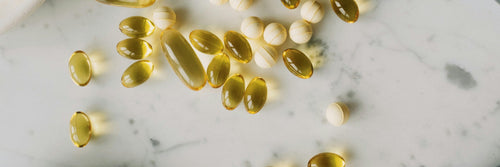
Coenzyme Q10 (CoQ10), also known as ubiquinone or ubidecarenone, is a naturally occurring fat-soluble compound essential for cellular energy production. It resides in the inner mitochondrial membrane of virtually every cell, where it serves as an electron carrier in the mitochondrial electron transport chain — the process by which cells generate adenosine triphosphate (ATP), the primary energy currency of the body [1][2][3]. The organs with the highest energy demands — the heart, liver, kidneys, and pancreas — contain the greatest concentrations of CoQ10 [1][2].
Beyond its role in energy production, CoQ10 functions as a potent lipid-soluble antioxidant. In its reduced form, ubiquinol (CoQH2-10), it scavenges free radicals and protects cell membranes, lipoproteins (including LDL), and mitochondrial DNA from oxidative damage [1][2][3]. More than 90% of circulating CoQ10 exists in the ubiquinol form in healthy individuals, reflecting its continuous recycling between oxidized (ubiquinone) and reduced (ubiquinol) states [1][2].
Blood levels of CoQ10 steadily rise from young adulthood through middle age, peaking around age 60, then declining modestly — although they do not fall below levels of early adulthood [1]. However, CoQ10 concentrations in tissues of the heart, brain, and pancreas do decrease with age [1][2]. Of potentially greater significance, the body appears to convert less CoQ10 into its active form (ubiquinol) after age 60, resulting in a decreased ubiquinol-to-CoQ10 ratio and indicating a higher level of oxidative stress [1][4][5]. Statin medications may further reduce CoQ10 production. The strongest clinical evidence supports CoQ10 for congestive heart failure (as adjunct therapy), with emerging evidence for migraine prevention and modest metabolic effects.
Table of Contents
- Overview
- Forms and Bioavailability
- Evidence for Benefits
- Recommended Dosing
- Safety and Side Effects
- Drug Interactions
- Dietary Sources
- References
Overview
CoQ10 is manufactured endogenously through the mevalonate pathway — the same biochemical pathway used to produce cholesterol. This shared pathway is clinically significant because statin drugs, which inhibit HMG-CoA reductase (a key enzyme in the mevalonate pathway), can reduce CoQ10 synthesis as a side effect [1][2][3]. Other medications that may lower CoQ10 levels include beta-blockers, certain antidepressants, and antipsychotics [1].
After age 60, the body converts less CoQ10 to ubiquinol, resulting in a decreased ubiquinol-to-CoQ10 ratio that indicates higher oxidative stress [2][3]. This age-related change may be relevant when selecting supplement forms.
The normal reference range for blood CoQ10 levels is 0.5–1.7 micromol/L (or 0.44–1.64 mg/L) [6]. For individuals with heart disease, a therapeutic target of 2.0 mg/L or greater is sometimes recommended [1]. Blood levels do not necessarily reflect tissue concentrations, but they remain the most practical measure of CoQ10 status [1][7].
Only small amounts of CoQ10 are available from food (approximately 3–5 mg/day from typical diet), making supplements the primary means of increasing CoQ10 levels [1][2].
Primary CoQ10 deficiency is a rare genetic condition resulting from mutations in genes involved in CoQ10 biosynthesis. It typically presents in infancy or early childhood with severe neurological and/or renal symptoms. Patients may respond well to oral CoQ10 supplementation if treatment begins before irreversible tissue damage has occurred [8].
Forms and Bioavailability
CoQ10 supplements are available in two primary forms, along with several enhanced-absorption formulations and one modified analog. Choosing the right form depends on age, health status, and the specific clinical goal.
Ubiquinone (Oxidized CoQ10)
This is the conventional, most widely studied form. After absorption, more than 90% is converted to ubiquinol in the body [1][2]. It is stable, less expensive, and has the longest track record in clinical trials. Most landmark studies on heart failure, migraine, and statin side effects used ubiquinone [10][11][12].
Ubiquinol (Reduced CoQ10)
This is the active, antioxidant form. It may be preferable for individuals over 60, who appear to convert ubiquinone to ubiquinol less efficiently [1][4][5]. Ubiquinol is inherently less stable than ubiquinone and requires specialized manufacturing (the leading branded ingredient is Kaneka QH by Kaneka Corporation). Some clinical trials have used ubiquinol specifically, including studies on diastolic heart failure, insulin resistance, and athletic performance [13][14][15][16].
Bioavailability Considerations
CoQ10 has inherently poor oral bioavailability — approximately 2–3% for standard formulations — due to its large molecular weight, high lipophilicity, and poor water solubility [1][2]. Several strategies improve absorption:
- Take with food containing fat. CoQ10 is fat-soluble; consuming it with a meal containing dietary fats substantially increases absorption [1][2].
- Divide doses. When total daily intake exceeds 100 mg, splitting into two or three doses maximizes absorption, as uptake is saturable [17].
- Solubilized/emulsified formulations. Softgel capsules containing CoQ10 dissolved in oil generally provide better absorption than powder-filled capsules or tablets [1][2].
- Water-soluble formulations. Specialized formulations such as Q10Vital use water-dispersible delivery systems to enhance bioavailability [18].
- Phytosome technology. CoQ10 phytosome (e.g., Ubiqsome by Indena) complexes CoQ10 with phospholipids to improve absorption. A formulation containing 60 mg CoQ10 as phytosome showed clinical benefit for statin-related fatigue at a dose that would typically be considered low [19].
- Black pepper extract (piperine/BioPerine). Piperine inhibits gut CYP enzymes that metabolize CoQ10, potentially increasing bioavailability. However, this same mechanism can affect the metabolism of many medications (see Drug Interactions) [1].
Forms Comparison
| Form | Key Features | Best For |
|---|---|---|
| Ubiquinone (standard) | Most studied; stable; inexpensive; >90% converted to ubiquinol in body | General supplementation; adults under 60; proven clinical applications |
| Ubiquinol | Active/reduced form; may bypass age-related conversion decline; less stable | Adults over 60; conditions with high oxidative stress |
| Ubiquinone in oil (softgel) | Better absorbed than powder-in-capsule | Preferred delivery over dry tablets/capsules |
| Water-soluble CoQ10 | Enhanced bioavailability via water-dispersible formulation | When higher blood levels are needed at lower doses |
| CoQ10 phytosome | Phospholipid complex; clinical efficacy at lower absolute CoQ10 doses | When gastrointestinal tolerance at higher doses is a concern |
| MitoQ (mitoquinone) | Modified ubiquinone with positive charge for mitochondrial targeting; ~10% oral bioavailability vs ~2% for standard CoQ10 | Research use; vascular function (limited evidence) |
Natural vs. Synthetic CoQ10
Naturally formed CoQ10 is 100% in the trans-isomer configuration. Most commercial CoQ10 today is produced via bacterial or yeast fermentation, yielding 100% natural trans-CoQ10. Synthetic chemical processes can produce small amounts of the cis-isomer. Products labeled "yeast fermentation" or carrying branded ingredients such as Kaneka QH or Q-Gel are natural-source CoQ10 [1].
Idebenone
Idebenone is a synthetic analog of CoQ10 that can also appear as a contaminant in improperly manufactured CoQ10 supplements. Some evidence suggests idebenone could be helpful for slowing cognitive decline in Alzheimer's disease [20][21], but not all studies have found benefit [22]. It is a distinct compound from CoQ10 and should not be confused with it.
MitoQ (Mitoquinone)
MitoQ is a modified form of ubiquinone carrying a triphenylphosphonium cation that allows preferential uptake into mitochondria. Its oral bioavailability is approximately 10%, versus about 2% for standard CoQ10 [1]. Small studies have shown it can improve endothelial function in older adults (42% increase in flow-mediated dilation at 20 mg/day for 6 weeks) [23] and modestly improve cycling performance in recreational athletes (4.4% increase in VO2peak at 20 mg/day for 28 days) [24]. However, a laboratory study found MitoQ caused acute mitochondrial swelling in kidney tubule cells and kidney tissue damage in mice, prompting researchers to advise caution in patients with kidney disease [26]. MitoQ did not show benefit in Parkinson's disease and had side effects similar to high-dose CoQ10 [27][28]. It is not a direct substitute for CoQ10 and has a limited clinical evidence base.
Evidence for Benefits
Congestive Heart Failure
Heart failure is the most extensively studied clinical application for CoQ10, with evidence spanning decades. The rationale is straightforward: the failing heart has increased energy demands and reduced CoQ10 tissue levels, and CoQ10 is essential for mitochondrial ATP production [1][2].
Systolic heart failure (HFrEF): A meta-analysis of 13 clinical trials found that CoQ10 supplementation (typically 100 mg daily) significantly improved left ventricular ejection fraction by approximately 3.7% compared to placebo in people with mild-to-moderate heart failure [10].
The Q-SYMBIO trial — landmark evidence: The largest and longest clinical study to date randomized patients with moderate-to-severe heart failure to 100 mg of CoQ10 three times daily (300 mg/day total) or placebo for 2 years, in addition to standard heart failure medications. CoQ10 reduced the risk of a major adverse cardiovascular event (hospitalization for worsening heart failure, cardiovascular death, or urgent heart transplant) by nearly 50% compared to placebo. It also significantly improved quality of life including activity levels, fatigue, and shortness of breath. Critically, these benefits required long-term supplementation — at 3 months, no significant improvements were detected [11]. In all heart failure studies, CoQ10 was used as an adjunct to standard prescription treatment, not as a replacement.
Diastolic heart failure (HFpEF) — mixed results: A larger U.S. study of 139 people (average age 69) diagnosed with diastolic heart failure found that 600 mg of ubiquinol daily for 12 weeks increased ejection fraction by 7.08%, improved self-reported symptoms, decreased BNP levels, and increased ATP levels compared to placebo. However, a separate study of 32 elderly patients with mild-to-severe diastolic heart failure found that 300 mg/day of stabilized ubiquinol for 4 months did not improve diastolic function or reduce NT-proBNP levels [13][14].
Cardiac surgery: A study of 50 elderly patients undergoing aortic valve replacement found that 200 mg of ubiquinol twice daily for 7 days before and 5 days after surgery reduced blood markers of heart muscle damage and curbed the post-surgical decline in ejection fraction by about 5% at 6-month follow-up [29].
Statin-Associated Muscle Pain
This is one of the most commonly cited reasons for taking CoQ10, yet the evidence is surprisingly mixed. Statins inhibit HMG-CoA reductase, which sits upstream in the mevalonate pathway from CoQ10 synthesis, and statins reliably lower blood levels of CoQ10 [1][2]. The hypothesis is that CoQ10 depletion contributes to statin-associated myalgia (muscle pain), weakness, and fatigue. Studies and reviews have yielded inconsistent results [40][41][42][43][44].
A meta-analysis of 7 trials reported reduced statin-associated muscle pain with CoQ10, but the finding disappeared when studies that included participants without confirmed myalgia were excluded [45]. ACC/AHA guidelines state that available evidence does not support CoQ10 for statin-associated muscle symptoms [49].
However, 100 mg/day CoQ10 combined with halving the statin dose reduced muscle pain in 46.6% of statin-intolerant patients versus 6.6% on placebo [48]. A CoQ10 phytosome (60 mg CoQ10, Ubiqsome by Indena) taken for 8 weeks significantly improved handgrip strength (+4.5 kg vs. −0.2 kg), lower limb strength, and aerobic endurance in adults with statin-associated weakness, compared to placebo [19].
Blood Sugar and Insulin Sensitivity
A meta-analysis of 40 RCTs (including 25 trials among people with type 1 or type 2 diabetes) concluded that 100–200 mg/day CoQ10 modestly decreases HbA1c (by ~0.12%), fasting blood sugar (by ~5.2 mg/dL), and insulin levels (by ~1.3 µIU/mL). Most benefit was observed with supplementation lasting 12 weeks or more. Critically, daily doses of 300 mg or more did not provide greater benefit and in some cases worsened glycemic measures [38].
In prediabetic adults, 100 mg/day ubiquinol for 12 weeks reduced insulin resistance (HOMA-IR) by 0.57 versus an increase of 0.15 in the placebo group [15]. People with diabetes or hypoglycemia who are taking blood-sugar-lowering medications should use CoQ10 with caution and under medical supervision.
Cholesterol and Lipids
In people with high cholesterol not on statins, 120 mg/day CoQ10 for 5.5 months decreased LDL cholesterol by 6.5% and triglycerides by nearly 20% versus placebo, with fasting blood sugar decreasing by 6% and fasting insulin by 21% [30]. CoQ10 does not further lower cholesterol in people already taking statins [32].
CoQ10 had no significant effect on homocysteine levels in placebo-controlled studies, and lowering homocysteine has not itself been shown to reduce clinical cardiovascular events [34][35].
Blood Pressure
Although some individual studies have found CoQ10 to reduce elevated blood pressure, the overall evidence is not compelling. A Cochrane systematic review critically evaluated the available clinical trials and concluded that CoQ10 does not have a clinically significant effect on lowering blood pressure [36]. The NCCIH states that "the small amount of evidence currently available suggests that CoQ10 probably doesn't have a meaningful effect on blood pressure" [3].
Migraine Prevention
Two clinical trials support a role for CoQ10 in reducing migraine frequency, severity, or duration.
Trial 1: In 42 adults with migraine, 300 mg/day CoQ10 for 3 months reduced attack frequency by approximately one migraine per month versus placebo, with benefits noticeable after the first month [12].
Trial 2: A study of 45 adults with migraine found that 400 mg/day ubiquinol for 3 months produced greater reductions in migraine frequency (−6 vs. −3 episodes per month), duration (−7 vs. −4 hours), and severity versus placebo. CoQ10 supplementation also reduced blood levels of lactate and nitric oxide, both of which may be elevated in people with migraine [50].
Based on this evidence, 300–400 mg of CoQ10 daily in divided doses may reduce migraine burden. Benefits may take 1–3 months to appear.
Skin and Wrinkles
A study in 33 healthy, middle-aged women found that 150 mg/day water-soluble CoQ10 (Q10Vital) for 3 months significantly reduced visible wrinkles around the eyes, nose, and lips versus placebo. However, there were no improvements in skin hydration or UV protection. A 50 mg dose had more limited effectiveness [18][20].
Muscle Pain, Fibromyalgia, and Nerve Pain
Fibromyalgia: In adults with fibromyalgia, 300 mg/day CoQ10 for 40 days significantly improved measures of depression, anxiety, hostility, sleep quality, and tender points compared to placebo. A separate study found that adding CoQ10 to the medication pregabalin reduced pain, anxiety, and certain inflammation markers, with brain imaging showing greater decreases in activity in brain regions associated with pain perception compared to pregabalin plus placebo [51][52].
Trigeminal neuralgia: Adding 300 mg/day CoQ10 for 2 months to carbamazepine treatment significantly reduced self-reported nerve pain and oxidative stress markers compared to placebo [53].
Cognition
Evidence for CoQ10 improving cognitive function is limited. A study of 69 adults (average age 72) with mild cognitive impairment found that 200 mg/day ubiquinol for 1 year improved cerebral vasoreactivity and reduced a blood marker of inflammation in men, but not in women, and produced no improvements in cognition or neurological function compared to placebo [54]. The NCCIH notes that CoQ10 has been studied for amyotrophic lateral sclerosis, Down syndrome, and Huntington's disease, but research is too limited for conclusions [3].
Parkinson's Disease
Early research suggested potential benefit, but larger, well-designed studies have been definitively negative. A large NIH-funded placebo-controlled study (QE3) found no benefit from 1,200 mg or 2,400 mg daily in people with early Parkinson's disease over 16+ months. Symptoms worsened numerically (though not statistically significantly) in the CoQ10 groups compared to placebo [55]. A 2017 evaluation of these and other studies concluded that CoQ10 is not helpful for Parkinson's symptoms [3].
Fatigue, Sleep, and Mood
Gulf War illness: A study of veterans with Gulf War illness found that 100 mg/day CoQ10 for 3–4 months improved physical function and multiple symptoms including word recall, headache, fatigue, and muscle pain. Critically, a 300 mg dose did NOT provide these benefits and actually worsened sleep (sleep problems increased from 74% at baseline to 83% with 300 mg, while decreasing to 64% with 100 mg) [57].
Long COVID: A study of 119 people with COVID symptoms persisting 12+ weeks found that 500 mg/day CoQ10 for 6 weeks did not reduce the severity or duration of symptoms including physical fatigue, mental fatigue, concentration difficulties, headache, and muscle weakness compared to placebo [59].
Sleep: CoQ10 does not appear to improve sleep. In fact, doses of 100 mg or more taken in the evening may cause mild insomnia, and higher doses (300 mg) may worsen sleep problems (see Safety and Side Effects) [1][57].
Strength and Athletic Performance
Results are mixed and overall inconclusive. A 2022 systematic review indicated inconclusive results for CoQ10 and athletic performance [60]. A study of 68 trained men found that 200 mg/day ubiquinol for 2 weeks during high-intensity resistance training did not consistently increase strength compared to placebo [16]. A study of 42 untrained men found that a single 300 mg dose of ubiquinol taken after exercise increased strength during exercises performed 1 hour later and slightly reduced muscle soreness at 1 and 3 days post-exercise [61].
Fertility
A preliminary study suggested that CoQ10 (200 mg three times daily for 60 days) improved ovarian response to gonadotrophin stimulation in young women with low ovarian reserve [66]. For male fertility, doses of 200–300 mg have been used in studies aiming to increase sperm motility [1][68].
Other Areas Under Research
CoQ10 has been studied in gum disease (gingivitis/periodontitis), tinnitus, autism spectrum disorder (ubiquinol 50 mg twice daily improved communication and sleep in children in one small study [74]), and pre-eclampsia prevention during pregnancy (200 mg/day; use only under medical supervision [69]). Evidence in all these areas remains preliminary.
Cancer — Mixed Evidence and Caution
CoQ10's role during cancer treatment is complex and potentially concerning. Several case reports and a small preliminary clinical study found that supplementing with CoQ10 (typically 200–300 mg daily) during chemotherapy with anthracyclines may help protect against chemotherapy-induced heart damage [70][71]. However, a study of women being treated for breast cancer suggested an increased risk of cancer recurrence or death among those taking any antioxidant supplements, including CoQ10 [72]. An animal study suggested that CoQ10 may reduce the effectiveness of cancer radiotherapy [73]. The NCCIH states that CoQ10 has not been shown to be of value in treating cancer [3]. CoQ10 should not be taken during cancer treatment without explicit guidance from an oncologist.
Recommended Dosing
Dosing by Condition
| Condition | Daily Dose | Form | Notes |
|---|---|---|---|
| Heart failure (adjunct) | 100–300 mg in 2–3 divided doses | Ubiquinone or ubiquinol | Benefits may take months. Do not stop abruptly — taper gradually |
| Diastolic heart failure (HFpEF) | 600 mg | Ubiquinol | Single study; 12+ weeks |
| Migraine prevention | 300–400 mg in divided doses | CoQ10 or ubiquinol | Allow 1–3 months for benefit |
| Statin side effects | 50–200 mg (or 60 mg as phytosome) | CoQ10 or ubiquinol | Evidence is mixed; discuss with physician |
| Blood sugar/insulin | 100–200 mg | CoQ10 or ubiquinol | Doses above 300 mg may worsen some glycemic measures |
| Cholesterol (not on statins) | 120 mg in divided doses | CoQ10 | 5+ months; no additive benefit if already on statins |
| Fibromyalgia (adjunct) | 300 mg in divided doses | CoQ10 | 40+ days; preliminary evidence |
| Skin/wrinkles | 150 mg | Water-soluble CoQ10 | 3 months; preliminary evidence |
| Cardiac surgery (perioperative) | 400 mg (200 mg twice daily) | Ubiquinol | 7 days before through 5 days after surgery |
| General supplementation | 100–200 mg | CoQ10 or ubiquinol | Take with fatty meals for absorption |
Practical Dosing Guidelines
Dose splitting: When the total daily dose exceeds 100 mg, divide into 2–3 smaller doses taken throughout the day to maximize absorption [17].
Take with fat-containing food. CoQ10 is fat-soluble and absorption improves significantly when taken with meals containing dietary fats [1][2].
Avoid evening dosing. Doses of 100 mg or more taken in the evening may cause insomnia. Take CoQ10 with breakfast and/or lunch [1][57][76].
Higher doses do not always mean better results. For blood sugar parameters, doses above 300 mg/day actually worsened some measures [38]. For Gulf War illness fatigue, 100 mg was effective but 300 mg was not and worsened sleep [57].
Age-based form selection: Adults under 60 can use either ubiquinone or ubiquinol effectively. After age 60, ubiquinol may be preferable due to the age-related decline in CoQ10-to-ubiquinol conversion efficiency [1][4][5].
Do not suddenly stop CoQ10 if taking it for heart failure. Symptoms may worsen. Tapering is recommended [1].
Blood Level Monitoring
CoQ10 levels can be measured via blood test (ordered as "Coenzyme Q10," "Coenzyme Q10, Total," or "Ubiquinone 50"). Normal reference range: 0.5–1.7 micromol/L (0.44–1.64 mg/L) [6]. For people with heart disease, a therapeutic target of 2.0 mg/L or greater is sometimes recommended. Blood levels do not necessarily reflect tissue levels (such as heart and skeletal muscle), but they are considered a useful measure of CoQ10 status [1][7].
Safety and Side Effects
CoQ10 is generally safe and well-tolerated. Long-term safety data exists: a study of over 100 people with cardiomyopathy taking 100 mg daily (divided into three doses) for up to 6 years found CoQ10 to be safe [77]. In the QE3 Parkinson's trial, doses as high as 1,200 mg/day in divided doses were well tolerated over 16+ months. Even doses up to 2,400 mg/day have been studied [55].
Common Side Effects
Gastrointestinal effects occur in approximately 1% of individuals in clinical trials and include [78][79]:
- Loss of appetite
- Heartburn
- Nausea, diarrhea
- Headache, fatigue, irritability, skin rash (rare)
Gastrointestinal side effects may be minimized by taking smaller, divided doses [80].
Insomnia
A dose of 100 mg or more taken in the evening may cause mild insomnia [76]. Higher doses (300 mg) may worsen sleep problems even when taken during the day. In the Gulf War illness study, sleep problems increased from 74% at baseline to 83% with 300 mg/day, while decreasing to 64% with 100 mg/day [57]. If insomnia occurs, take CoQ10 well before dinner and consider reducing the dose.
Blood Sugar Effects
At doses of 100–200 mg/day, CoQ10 may modestly decrease fasting blood sugar and insulin. At doses above 300 mg/day, some glycemic measures may worsen [38]. People with diabetes, hypoglycemia, or those taking blood-sugar-lowering medications should use CoQ10 with caution.
Pregnancy and Breastfeeding
CoQ10's safety has not been evaluated in pregnant or breastfeeding women [1]. Use should be under medical supervision only.
Cancer Treatment
Evidence is mixed and concerning. CoQ10 may protect against anthracycline-induced cardiotoxicity [70][71], but antioxidant supplements (including CoQ10) may increase cancer recurrence risk during treatment with certain chemotherapy regimens [72]. CoQ10 may also reduce the effectiveness of radiotherapy in animal models [73]. Do not take CoQ10 during cancer treatment without oncologist approval.
Polysorbate 80
Some CoQ10 supplements contain polysorbate 80 as a solubilizing agent. The FDA considers it generally safe but limits it to 175–475 mg per daily supplement serving depending on other ingredients. The amount of polysorbate 80 in supplements is not listed on labels, but amounts over 100 mg may be present, particularly when polysorbate 80 appears early in the "Other ingredients" list. There are isolated reports of anaphylactoid reactions to polysorbate 80 from subcutaneous or intravenous medication, but not by mouth. There is theoretical concern that it may be harmful to people with Crohn's disease [81][82].
Drug Interactions
Warfarin (Blood Thinners)
The most clinically important interaction. CoQ10 is structurally similar to vitamin K2 and may decrease the anticoagulant effect of warfarin [83]. However, a population-based study suggested the opposite — an increased risk of bleeding with CoQ10 in warfarin users [84], and another study found no effect in patients with a stable INR [85]. Given the conflicting evidence, anyone taking warfarin should inform their physician before starting CoQ10 and have their INR monitored closely. Monitor INR [26][27].
Insulin and Diabetes Medications
CoQ10 may modestly lower blood sugar and improve insulin sensitivity at doses of 100–200 mg/day [38]. People taking insulin or oral hypoglycemic agents should monitor blood glucose levels more frequently when starting CoQ10 [14].
Medications That Lower CoQ10
Several drug classes may reduce the body's natural CoQ10 production or blood levels [1]:
| Drug Class | Examples | Mechanism |
|---|---|---|
| Statins | Atorvastatin, rosuvastatin, simvastatin, lovastatin | Inhibit HMG-CoA reductase in the mevalonate pathway |
| Beta-blockers | Metoprolol, propranolol | May reduce CoQ10 levels |
| Certain antidepressants | Various | May decrease CoQ10 production |
| Antipsychotics | Various | May decrease CoQ10 production |
Thyroid Medications
Thyroid hormones affect CoQ10 levels: in hyperthyroidism, CoQ10 levels have been found to be among the lowest discovered in human disease, while in hypothyroidism, CoQ10 levels tend to be elevated [86]. It is not known whether CoQ10 supplementation affects thyroid hormone levels, and interactions between CoQ10 and levothyroxine (Synthroid) have not been reported [1].
Black Pepper Extract (Piperine/BioPerine)
Some CoQ10 formulations include piperine to enhance absorption. Piperine inhibits CYP enzymes in the gut lining, which can affect the metabolism of many medications including phenytoin, rifampin, propranolol, theophylline, felodipine, amlodipine, nevirapine, and carbamazepine. Piperine may also have anti-platelet effects and should be used with caution alongside blood-thinning medication [89]. Avoid piperine-containing CoQ10 supplements if taking medications metabolized by CYP enzymes [88][89][90].
Chemotherapy and Radiotherapy
CoQ10 may interfere with certain cancer treatments. A study suggested increased cancer recurrence risk with antioxidant supplements during breast cancer chemotherapy [72]. CoQ10 may reduce radiotherapy effectiveness in animal models [73]. Always consult an oncologist before using CoQ10 during cancer treatment [24][25].
Dietary Sources
The body synthesizes most of its CoQ10 endogenously. Dietary intake typically provides only 3–6 mg per day from a normal mixed diet — far less than the 100–600 mg doses used in clinical studies [2].
| Food | Serving | Approximate CoQ10 (mg) |
|---|---|---|
| Beef heart | 3 oz (85g) | 26–39 |
| Reindeer meat | 3 oz (85g) | 12–18 |
| Beef liver | 3 oz (85g) | 3–4 |
| Pork chop | 3 oz (85g) | 2–4 |
| Chicken leg | 3 oz (85g) | 1–2 |
| Herring | 3 oz (85g) | 2–3 |
| Rainbow trout | 3 oz (85g) | 1–2 |
| Sardines (canned) | 3 oz (85g) | 1–2 |
| Soybeans (boiled) | 1/2 cup | 1–2 |
| Peanuts (roasted) | 1 oz (28g) | 0.7–1.3 |
| Spinach, raw | 1 cup | 0.3–0.5 |
| Broccoli, boiled | 1/2 cup | 0.4–0.6 |
| Canola oil | 1 tbsp | 0.9–1.3 |
| Soybean oil | 1 tbsp | 0.9–1.0 |
Sources: USDA; Mattila & Kumpulainen 2001; Pravst et al., Crit Rev Food Sci Nutr 2010 [2][91].
- Organ meats (particularly beef heart) are by far the richest dietary source but are rarely consumed in typical Western diets.
- Cooking reduces CoQ10 content by approximately 14–32%, with frying causing the greatest losses [2].
- Dietary CoQ10 is insufficient for therapeutic doses. Even with an organ meat-rich diet, dietary intake rarely exceeds 10–15 mg/day, whereas clinical applications use 100–600 mg/day [2].
- Absorption from food follows the same principles as supplements: CoQ10 from food is better absorbed when consumed alongside dietary fat.
- The main dietary sources are animal products. Vegetarians and vegans may have lower dietary CoQ10 intake, though endogenous synthesis typically compensates [2].
References
- ConsumerLab. CoQ10 and Ubiquinol Supplements Review. https://www.consumerlab.com/reviews/coq10-ubiquinol-supplements-review/coq10/
- General CoQ10 biochemistry, dietary sources, and endogenous synthesis (multiple sources).
- National Center for Complementary and Integrative Health (NCCIH). "Coenzyme Q10." https://www.nccih.nih.gov/health/coenzyme-q10
- Niklowitz P et al. Coenzyme Q10 concentration in the plasma of children. J Clin Biochem Nutr, 2016.
- Claessens AJ et al. Coenzyme Q10 levels and status of redox in older adults. Ann Clin Biochem, 2016.
- Molyneux SL et al. Coenzyme Q10: an independent predictor of mortality in chronic heart failure. Clin Biochem Rev, 2008.
- Keith M et al. Increased oxidative stress in patients with congestive heart failure. Nutr Metab Cardiovasc Dis, 2008.
- Mantle D et al. Primary coenzyme Q10 deficiency: an update. Antioxidants (Basel), 2023.
- Fischer A et al. NQO1 polymorphism and CoQ10 levels. BMC Res Notes, 2011.
- Fotino AD et al. Effect of coenzyme Q10 supplementation on heart failure. Am J Clin Nutr, 2013;97(2):268-75. https://doi.org/10.3945/ajcn.112.040741
- Mortensen SA et al. The effect of coenzyme Q10 on morbidity and mortality in chronic heart failure (Q-SYMBIO). JACC Heart Failure, 2014;2(6):641-9. https://doi.org/10.1016/j.jchf.2014.06.008
- Sandor PS et al. Efficacy of coenzyme Q10 in migraine prophylaxis. Neurology, 2005;64(4):713-5. https://doi.org/10.1212/01.WNL.0000151975.03598.ED
- Samuel TJ et al. Randomised, double-blind, placebo-controlled study of CoQ10 in patients with heart failure with preserved ejection fraction. Drugs R D, 2021. https://doi.org/10.1007/s40268-021-00359-2
- Pierce JD et al. Effects of ubiquinol and/or D-ribose in patients with heart failure with preserved ejection fraction. Am J Cardiol, 2022. https://doi.org/10.1016/j.amjcard.2022.04.031
- Palakornkitti P et al. Ubiquinol in prediabetes. Clin Nutr Open Sci, 2026.
- Moreno-Fernandez J et al. Ubiquinol supplementation does not enhance resistance training adaptations in trained men. Antioxidants, 2023.
- Mantle D et al. Coenzyme Q10 supplementation: efficacy and safety. Antioxidants (Basel), 2020.
- Zmitek K et al. Water-soluble CoQ10 for skin wrinkles. Biofactors, 2016. https://doi.org/10.1002/biof.1316
- Fogacci F et al. CoQ10 phytosome for statin-associated asthenia. J Clin Med, 2024.
- Voronkova KV et al. Idebenone and Alzheimer's disease. Neurosci, 2009.
- Weyer G et al. A controlled study of 2 doses of idebenone in the treatment of Alzheimer's disease. Neuropsychobiology, 1997.
- Thal LJ et al. Idebenone treatment fails to slow cognitive decline in Alzheimer's disease. Neurology, 2003.
- Rossman MJ et al. Chronic supplementation with a mitochondrial antioxidant (MitoQ) improves vascular function in healthy older adults. Hypertension, 2018;71(6):1056-1063. https://doi.org/10.1161/HYPERTENSIONAHA.117.10787
- Broome SC et al. MitoQ supplementation augments acute exercise training cardiorespiratory performance. J Int Soc Sports Nutr, 2021. https://doi.org/10.1186/s12970-021-00439-1
- Carlini NA et al. Acute MitoQ supplementation and vascular and cardiac function. J Physiol, 2024.
- Gottwald EM et al. The targeted anti-oxidant MitoQ causes mitochondrial swelling in kidney tissue. Physiol Rep, 2018. https://doi.org/10.14814/phy2.13667
- Snow BJ et al. A double-blind, placebo-controlled study to assess MitoQ as a disease-modifying therapy in Parkinson's disease. Mov Disord, 2010;25(11):1670-1674. https://doi.org/10.1002/mds.23148
- Gane EJ et al. The mitochondria-targeted anti-oxidant mitoquinone decreases liver damage in hepatitis C patients. Liver Int, 2010;30(7):1019-1026. https://doi.org/10.1111/j.1478-3231.2010.02250.x
- Orlando P et al. Ubiquinol supplementation and aortic valve replacement. Aging, 2020.
- Zhang P et al. Effect of CoQ10 on the lipid profile in hypercholesterolemic adults. J Clin Lipidol, 2017.
- Zou L et al. The effect of CoQ10 on HDL cholesterol efflux capacity. Nutrition, 2022.
- Hansen M et al. Ubiquinol plus simvastatin. Cytokine, 2018.
- Ritu V et al. CoQ10 and homocysteine levels. J Clin Trials Cardiol, 2014.
- Lee BJ et al. Effects of CoQ10 supplementation on homocysteine levels. Nutrition, 2012;28(7-8):767-772. https://doi.org/10.1016/j.nut.2011.10.011
- Kinoshita T et al. Ubiquinol and homocysteine in healthy older adults. Funct Foods Health Dis, 2016.
- Ho MJ et al. Blood pressure lowering efficacy of coenzyme Q10 for primary hypertension. Cochrane Database Syst Rev, 2016. https://doi.org/10.1002/14651858.CD007435.pub3
- Rembold CM et al. Coenzyme Q10 for orthostatic hypotension. Am J Med, 2017.
- Liang S et al. The effect of CoQ10 on glycemic control: a systematic review and meta-analysis. eClinicalMedicine, 2022. https://doi.org/10.1016/j.eclinm.2022.101602
- Kusano R et al. Insulin autoimmune syndrome possibly caused by CoQ10. J Rural Med, 2019.
- Skarlovnik A et al. CoQ10 supplementation decreases statin-related mild-to-moderate muscle symptoms. Med Sci Monit, 2014.
- Bookstaver DA et al. Effect of CoQ10 supplementation on statin-induced myalgias. Am J Cardiol, 2012.
- Young JM et al. Effect of CoQ10 supplementation on simvastatin-induced myalgia. Am J Cardiol, 2007.
- Qu H et al. Effects of CoQ10 on statin-induced myopathy: an updated meta-analysis. J Am Heart Assoc, 2018.
- Kennedy C et al. Effect of CoQ10 on statin-associated myalgia and adherence to statin therapy. Atherosclerosis, 2020.
- Kovacic D et al. CoQ10 and statin-associated muscle pain: meta-analysis. J Nutr Sci, 2025.
- Dohlmann TL et al. Statin-related myopathy and CoQ10 supplementation. Antioxidants, 2022. https://doi.org/10.3390/antiox11020228
- Chen KK et al. CoQ10 and statin-associated muscle symptoms resolution. Future Cardiol, 2022.
- Derosa G et al. CoQ10 in statin-intolerant patients. Drug Des Devel Ther, 2019. https://doi.org/10.2147/DDDT.S203153
- Grundy SM et al. AHA/ACC cholesterol clinical practice guideline. Circulation, 2019. https://doi.org/10.1161/CIR.0000000000000625
- Nattagh-Eshtivani E et al. CoQ10 supplementation alleviates migraine. Eur J Integr Med, 2018.
- Alcocer-Gomez E et al. CoQ10 regulates serotonin levels and depressive symptoms in fibromyalgia. CNS Neurosci Ther, 2017. https://doi.org/10.1111/cns.12668
- Sawaddiruk P et al. CoQ10 supplementation reduces pain and brain activity in fibromyalgia. Free Radic Res, 2019.
- Khuankaew S et al. CoQ10 supplementation in trigeminal neuralgia. Free Radic Res, 2018.
- Garcia-Carpintero S et al. Ubiquinol supplementation in mild cognitive impairment. Antioxidants, 2021.
- Parkinson Study Group QE3 Investigators. A randomized clinical trial of high-dosage CoQ10 in early Parkinson disease: no evidence of benefit. JAMA Neurol, 2014;71(5):543-552. https://doi.org/10.1001/jamaneurol.2014.131
- Shults CW et al. Effects of CoQ10 in early Parkinson disease. Arch Neurol, 2002;59(10):1541-50. https://doi.org/10.1001/archneur.59.10.1541
- Golomb BA et al. CoQ10 benefits symptoms in Gulf War veterans. Neural Comput, 2014;26(11):2594-2651. https://doi.org/10.1162/NECO_a_00659
- Mizuno K et al. Ubiquinol-10 intake is effective in relieving mild fatigue. Nutrients, 2020;12(6):1574. https://doi.org/10.3390/nu12061574
- Hansen KS et al. High-dose CoQ10 for persistent COVID-19 symptoms. Lancet, 2022 (preprint).
- Drobnic F et al. CoQ10 supplementation and exercise performance: a systematic review. Nutrients, 2022. https://doi.org/10.3390/nu14010020
- Thar CM et al. Acute ubiquinol supplementation and exercise recovery. Sports Med Health Sci, 2025.
- Sale ST et al. Application of CoQ10 gel in periodontal therapy. J Indian Soc Periodontol, 2014.
- Manthena SR et al. Effectiveness of CoQ10 as adjunct to scaling and root planing. J Clin Diagn Res, 2015. https://doi.org/10.7860/JCDR/2015/12908.5717
- Khan M et al. CoQ10 therapy for tinnitus. Otolaryngol Head Neck Surg, 2007;136(1):72-77. https://doi.org/10.1016/j.otohns.2006.08.017
- Abbasi M et al. CoQ10 as adjunct therapy for tinnitus. Iran J Otorhinolaryngol, 2025.
- Xu Y et al. Pretreatment with CoQ10 improves ovarian response and embryo quality. Reprod Biol Endocrinol, 2018;16(1):29. https://doi.org/10.1186/s12958-018-0343-0
- Ryan M et al. Adjuvant CoQ10 and DHEA for diminished ovarian reserve. Fertil Steril, 2013 (abstract).
- Safarinejad MR et al. The effects of CoQ10 supplementation on semen parameters. J Urol, 2009.
- Teran E et al. CoQ10 supplementation during pregnancy reduces the risk of pre-eclampsia. Int J Gynaecol Obstet, 2009;105(1):43-45. https://doi.org/10.1016/j.ijgo.2008.11.033
- Iarussi D et al. Protective effect of CoQ10 on anthracyclines cardiotoxicity. Mol Aspects Med, 1994.
- Folkers K et al. Activities of vitamin Q10 in animal models and patients with cancer. Biochem Biophys Res Commun, 1993.
- Ambrosone CB et al. Dietary supplement use during chemotherapy and survival outcomes of patients with breast cancer (SWOG S0221). J Clin Oncol, 2020;38(8):804-814. https://doi.org/10.1200/JCO.19.01203
- Lund EL et al. Effect of radiation and CoQ10 on tumor growth. Folia Microbiol, 1998.
- Gvozdjakova A et al. Ubiquinol improves symptoms in children with autism. Oxid Med Cell Longev, 2014. https://doi.org/10.1155/2014/798957
- Bargossi AM et al. Exogenous CoQ10 supplementation prevents plasma ubiquinone reduction induced by HMG-CoA reductase inhibitors. Int J Clin Lab Res, 1994.
- Pepping J. Coenzyme Q10. Am J Health-Syst Pharm, 1999;56(6):519-521.
- Langsjoen PH et al. Long-term safety and efficacy of CoQ10 therapy for idiopathic dilated cardiomyopathy. Am J Cardiol, 1990.
- Hidaka T et al. Safety assessment of coenzyme Q10. Biofactors, 2008;32(1-4):199-208.
- Bonakdar RA et al. Coenzyme Q10. Am Fam Physician, 2005;72(6):1065-1070.
- Shinde S et al. Coenzyme Q10 supplementation: dosing considerations. Internet J Nutr Wellness, 2004.
- Price KS et al. Polysorbate 80 hypersensitivity. Allergy Asthma Proc, 2007.
- Roberts CL et al. Translocation of Crohn's disease Escherichia coli across M-cells. Gut, 2010;59(10):1331-1339. https://doi.org/10.1136/gut.2009.195370
- Spigset O. Reduced effect of warfarin caused by ubidecarenone. Lancet, 1994;344(8933):1372-1373.
- Shalansky S et al. Risk of warfarin-related bleeding events associated with complementary and alternative medicine. Pharmacotherapy, 2007;27(9):1237-1247. https://doi.org/10.1592/phco.27.9.1237
- Engelsen J et al. Effect of CoQ10 and Ginkgo biloba on warfarin dosage. Ugeskr Laeger, 2003.
- Mancini A et al. Thyroid hormones, oxidative stress, and inflammation. Int J Mol Sci, 2013. https://doi.org/10.3390/ijms140612773
- Mancini A et al. CoQ10 levels in hyperthyroid children treated with methimazole. Int J Mol Sci, 2011.
- Pattanaik S et al. Pharmacokinetic interaction of piperine with carbamazepine. Phytother Res, 2009.
- Raghavendra RH et al. Piperine and anti-platelet effects. Prostaglandins Leukot Essent Fatty Acids, 2009.
- Meghwal M et al. Piper nigrum and piperine: an update. Sci Rep, 2012.
- Pravst I et al. Coenzyme Q10 contents in foods and fortification strategies. Crit Rev Food Sci Nutr, 2010;50(4):269-280. https://doi.org/10.1080/10408390902773037